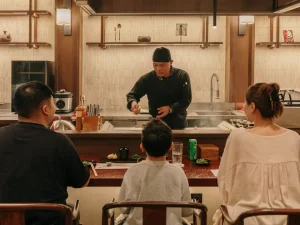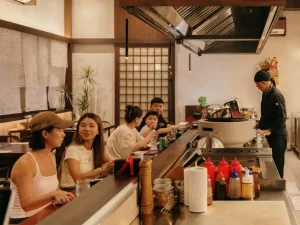

When exploring Japanese cuisine, many diners often wonder about the difference between sashimi and sushi. While both are celebrated staples of Japanese culinary tradition, they offer distinctly different experiences. At Shinraku Ubud, guests can discover the artistry, flavor, and cultural heritage behind these iconic dishes in an elegant and authentic setting.
Whether you are a first-time visitor or a seasoned lover of Japanese cuisine, understanding the unique qualities of sashimi and sushi will deepen your appreciation for every bite.
What Is Sashimi?
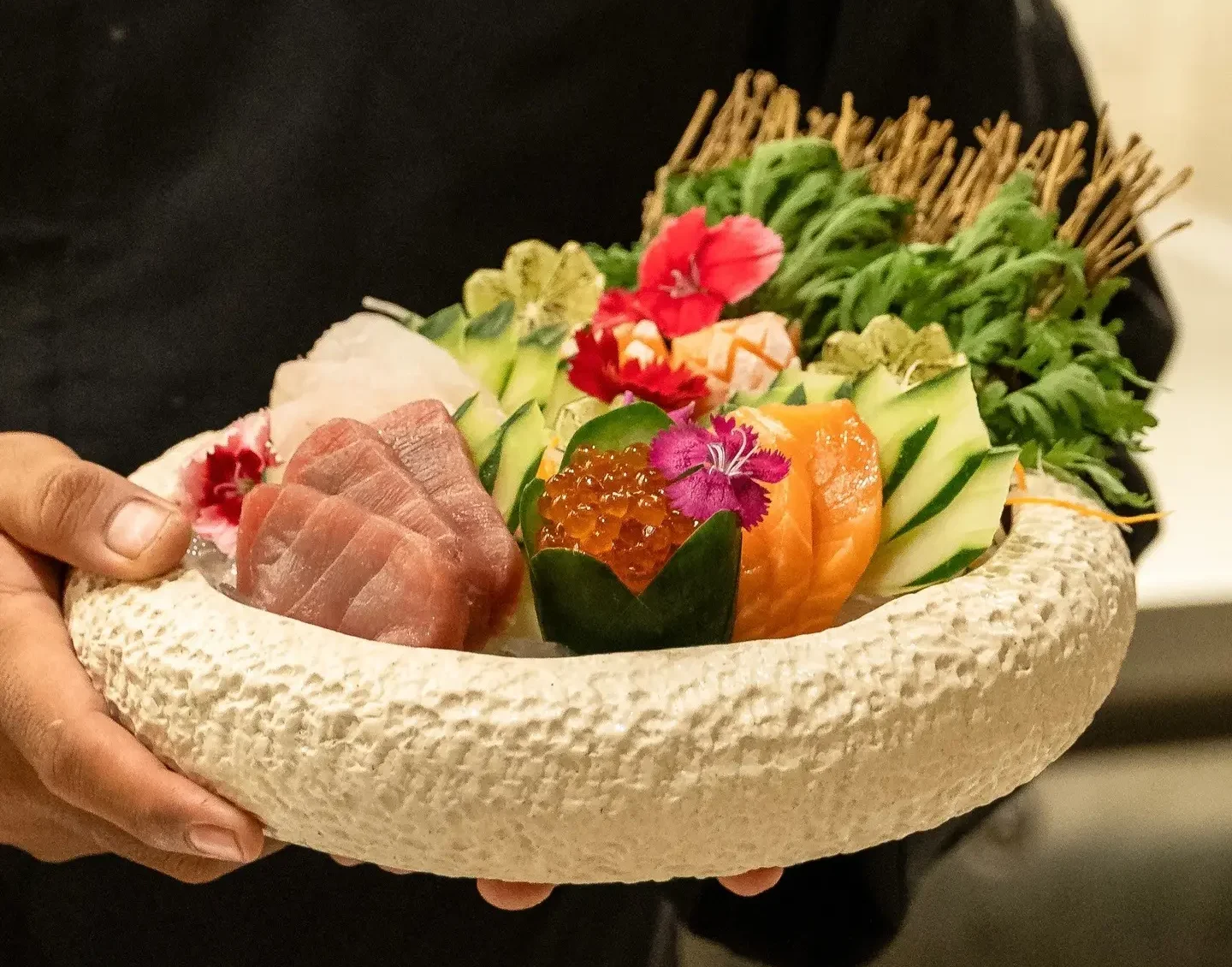
Sashimi represents one of the purest expressions of Japanese cuisine. The word itself means “pierced body,” referring to thinly sliced raw seafood served without rice. As a result, its simplicity allows the natural flavor, texture, and freshness of the fish to take center stage.
At Shinraku Ubud, our chefs prepare sashimi using premium-grade seafood selected for exceptional quality and freshness. They carefully slice each piece to showcase the fish’s delicate texture and rich flavor. Popular sashimi selections include:
- Salmon Sashimi: Rich, buttery, and exceptionally smooth.
- Tuna Sashimi: Lean, tender, and full of clean ocean flavor.
- Snapper Sashimi: Light, delicate, and subtly sweet.
- Sashimi Moriawase: A beautifully arranged assortment of premium seasonal fish.
Additionally, we serve sashimi with soy sauce, fresh wasabi, and garnishes such as daikon and cucumber. Together, these elements create a refined dining experience that emphasizes purity and craftsmanship.
What Is Sushi?
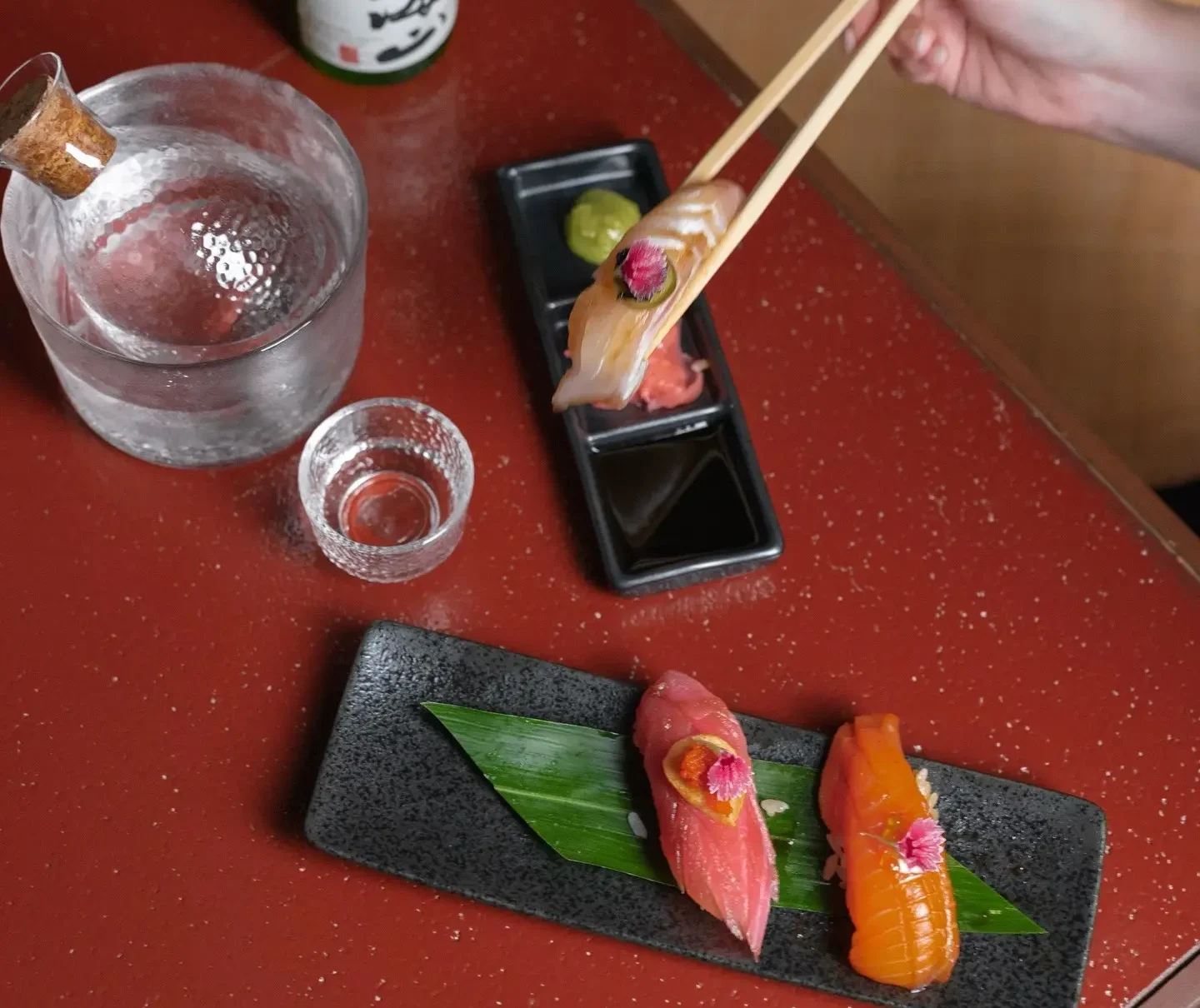
Unlike sashimi, sushi always includes seasoned Japanese rice. In fact, the word “sushi” refers specifically to vinegared rice rather than the fish itself. From there, chefs combine the rice with seafood, vegetables, and other ingredients to create a harmonious balance of flavors and textures.
At Shinraku Ubud, our chefs craft sushi with meticulous attention to detail, blending traditional Japanese techniques with premium ingredients. As a result, every piece delivers both visual beauty and exceptional taste.
Nigiri: Hand-formed rice topped with fresh seafood.
- Salmon Nigiri
- Tuna Nigiri
- Snapper Nigiri
- Nigiri Set for those who wish to sample a variety.
Maki: Rolled sushi wrapped in nori seaweed.
- Salmon Maki
- Tuna Maki
- Kappa Maki (cucumber roll)
- Salmon Avocado Maki
Specialty Rolls: Creative combinations that offer more complex flavors.
- Salmon Philadelphia Roll
- Tuna Mentai Roll
- Spicy Salmon Roll
- Spicy Tuna Roll
- Salmon Tempura Roll
These rolls combine fresh seafood, vegetables, sauces, and textures to create a dynamic and satisfying dining experience.
Key Differences Between Sashimi and Sushi
While both dishes often feature raw fish, the primary distinction lies in their preparation and composition.
- Sashimi consists solely of thinly sliced raw fish or seafood.
- Sushi includes vinegared rice paired with fish, seafood, or vegetables.
In terms of flavor, sashimi highlights the natural taste of the seafood, while sushi offers a more layered profile through the combination of rice, fillings, and seasonings. For diners seeking a pure seafood experience, sashimi is ideal. For those who enjoy a balance of textures and flavors, sushi provides endless variety.
The Cultural Significance of Sashimi and Sushi
Both sashimi and sushi hold deep cultural importance in Japan. They reflect Japanese values such as precision, balance, seasonality, and respect for ingredients.
Sashimi embodies simplicity and purity, celebrating the ingredient in its most natural form. Sushi, meanwhile, represents harmony, bringing together rice, seafood, and complementary flavors in perfect balance.
The preparation of these dishes is considered an art form. Japanese chefs spend years mastering knife skills, rice preparation, and presentation techniques to ensure every dish meets the highest standards.
Why Shinraku Ubud Is the Perfect Place to Experience Both
Shinraku Ubud offers an authentic Japanese dining experience that showcases the best of both sashimi and sushi. The restaurant combines traditional craftsmanship with a serene atmosphere, making it an exceptional destination for culinary exploration. What makes Shinraku special:
- Premium-quality seafood sourced with care.
- Expertly trained chefs specializing in Japanese techniques.
- Elegant presentation that enhances every dish.
- A tranquil ambiance perfect for intimate dinners or celebrations.
Every plate is thoughtfully prepared to honor the traditions of Japanese cuisine while delivering unforgettable flavor.
Dining Tips for First-Time Guests
To fully enjoy your experience at Shinraku Ubud, consider these recommendations:
- Begin with a Sashimi Moriawase to sample a variety of fresh fish.
- Follow with a selection of nigiri or specialty rolls.
- Pair your meal with premium Japanese tea or sake.
- Ask the chef for recommendations based on seasonal ingredients.
For adventurous diners, choosing a mix of sashimi and sushi offers the best way to appreciate the differences between these two beloved Japanese dishes.
A Culinary Journey Through Japan in Ubud
Whether you prefer the clean elegance of sashimi or the creative balance of sushi, Shinraku Ubud offers an exceptional journey into Japanese cuisine. Each dish reflects the artistry, tradition, and dedication that define Japan’s culinary heritage.
From the buttery richness of salmon sashimi to the vibrant flavors of specialty sushi rolls, every bite tells a story of craftsmanship and authenticity. At Shinraku Ubud, sashimi and sushi are more than meals, they are experiences to be savored, shared, and remembered.