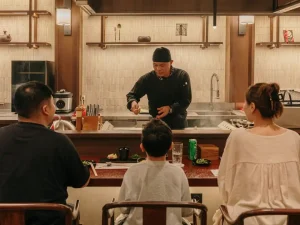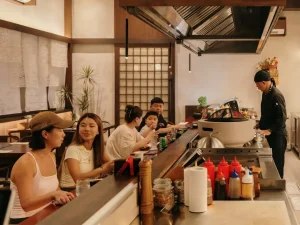

Some evenings in Ubud are not about seeing more. They are about sitting down and letting the night move at its own pace. That is where Japanese fine dining Ubud style begins: a quiet room, deliberate service, and food that never has to raise its voice. For anyone drawn to intimate romantic teppanyaki dining in Ubud, the experience goes one step further, because the chef cooks in front of you and the counter turns dinner into a shared, live performance. This guide walks through what defines the style, how an evening unfolds, and how to choose a table worth planning around.
The Four Pillars of Japanese Fine Dining Ubud
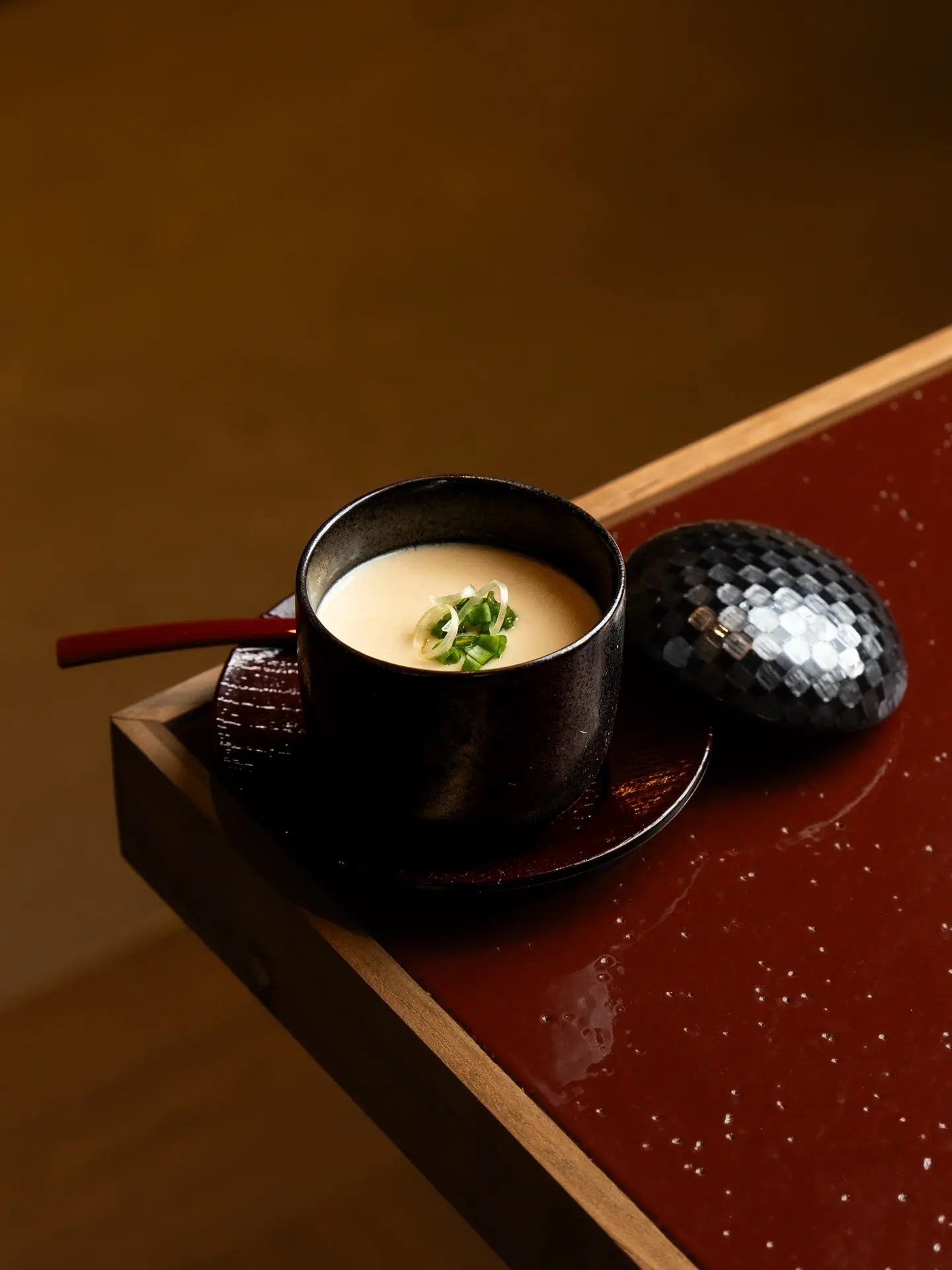
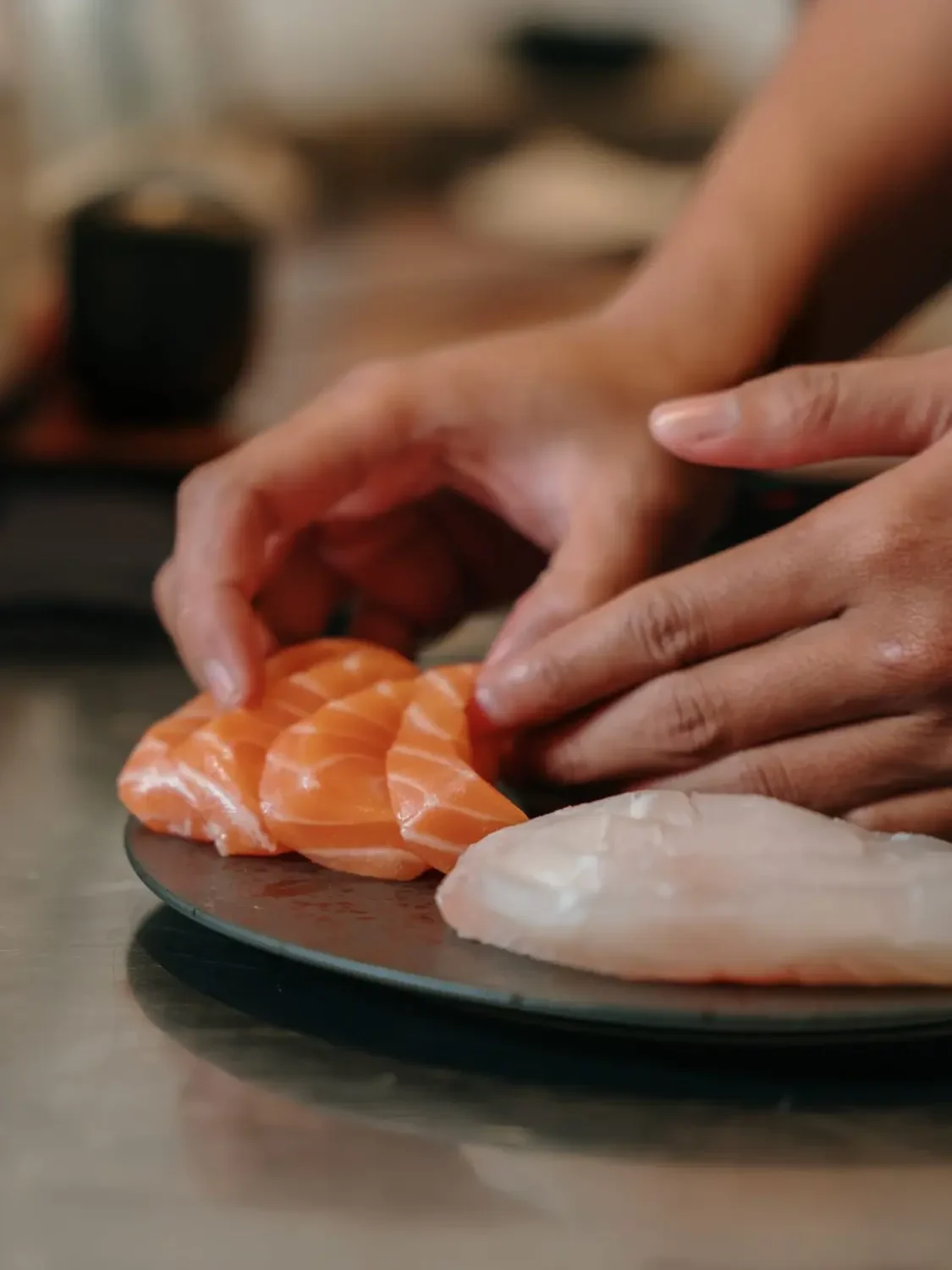
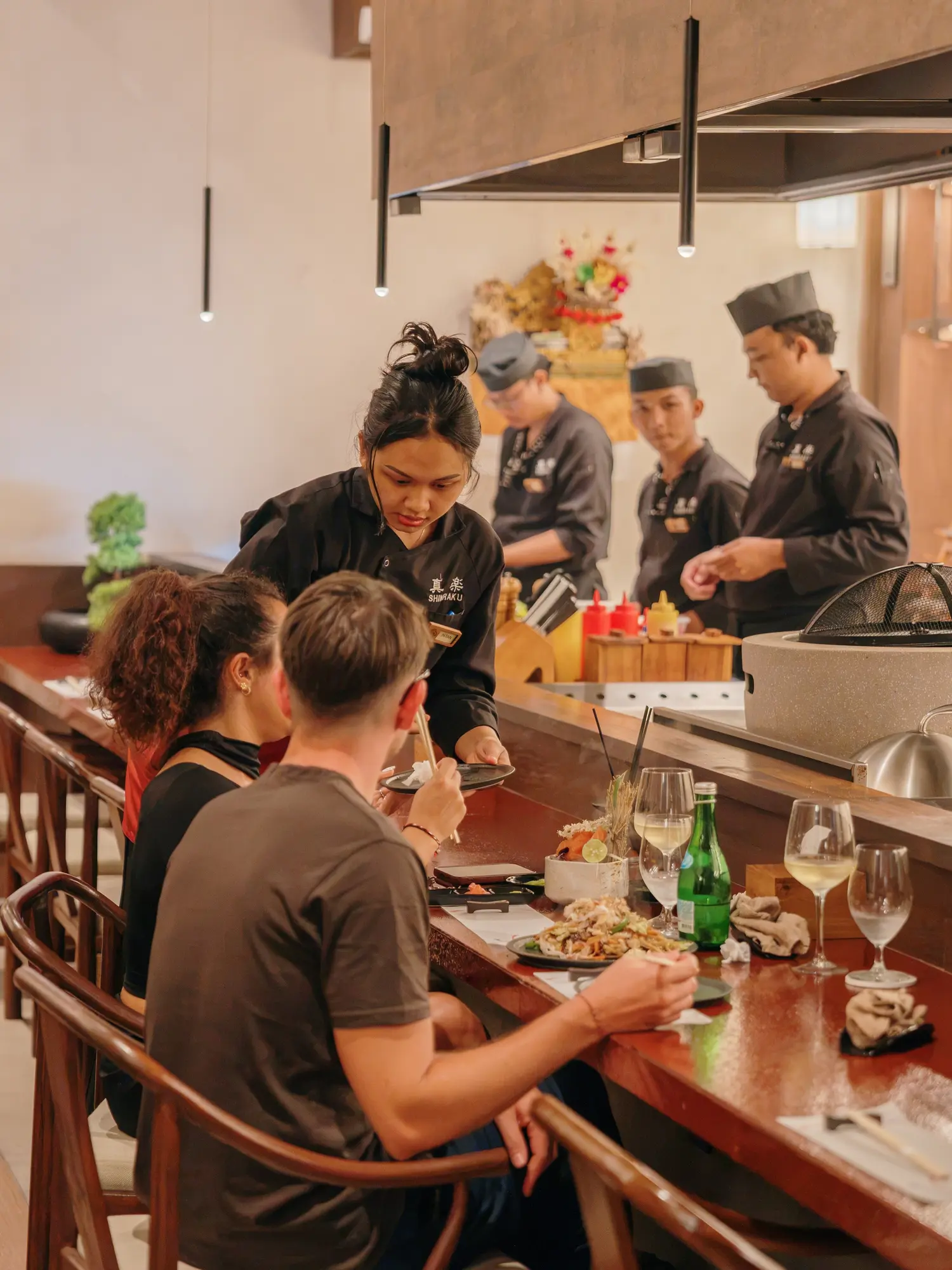
Japanese fine dining is less about luxury for its own sake and more about attention. Four ideas tend to separate a memorable evening from a merely expensive one.
Omotenashi: Hospitality That Anticipates
Omotenashi is the Japanese ideal of wholehearted hospitality, where a host meets a need before the guest voices it. A glass refilled at the right moment, a dish explained without being asked, and a table paced to the mood of the group are all small signs of it. At Shinraku, this idea shapes how the team serves, which is why the room feels attentive rather than busy.
Silent Luxury: A Room That Speaks Softly
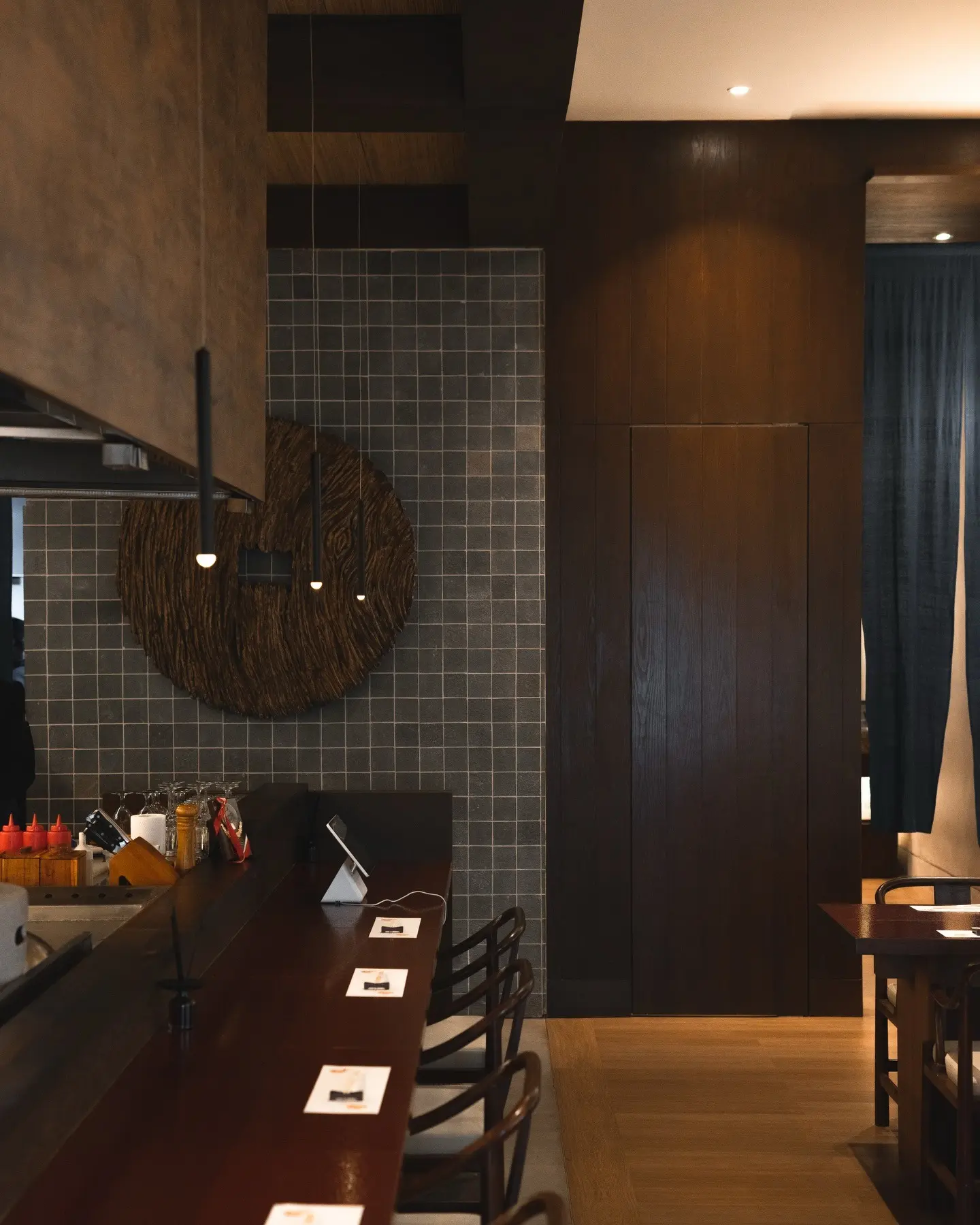
Luxury in this style is understated. Instead of ornament, the materials do the talking: lava stone counters, banana paper décor, and warm, low light. As a result, the room feels intimate, and guests can hear the sizzle of the teppan and notice the aroma rising from it without competing noise. That quiet is deliberate, and it is a large part of what people mean by silent luxury.
Restraint: Fewer Elements, Better Chosen
A fine dining plate is rarely crowded. When fewer elements share the space, each one has to earn its place. Beef, seafood, and vegetables are cooked with little more than heat and careful timing, so quality cannot hide behind a heavy sauce. In other words, restraint is not a lack of effort. It is a form of confidence.
Pacing: A Meal That Unfolds
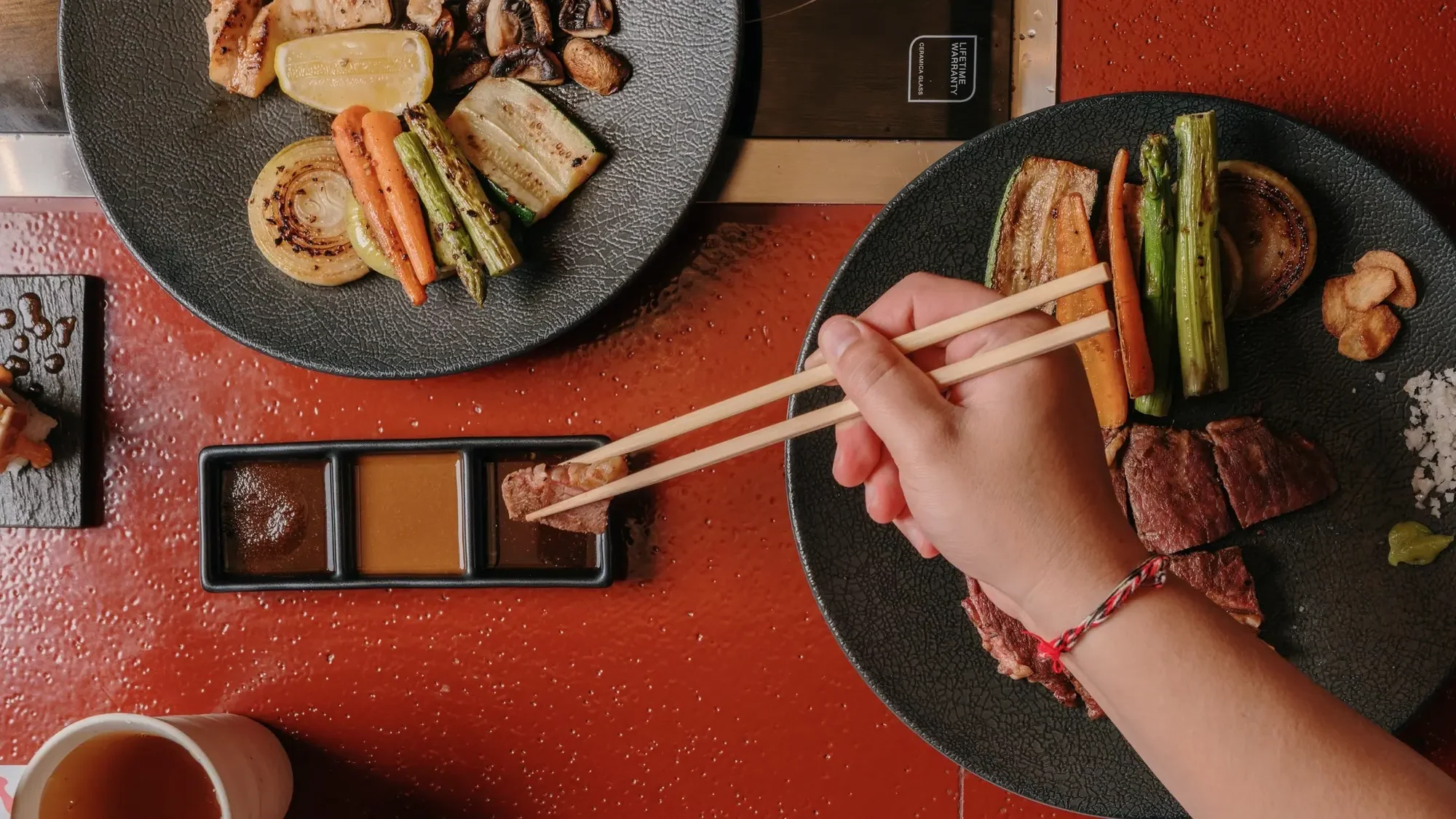
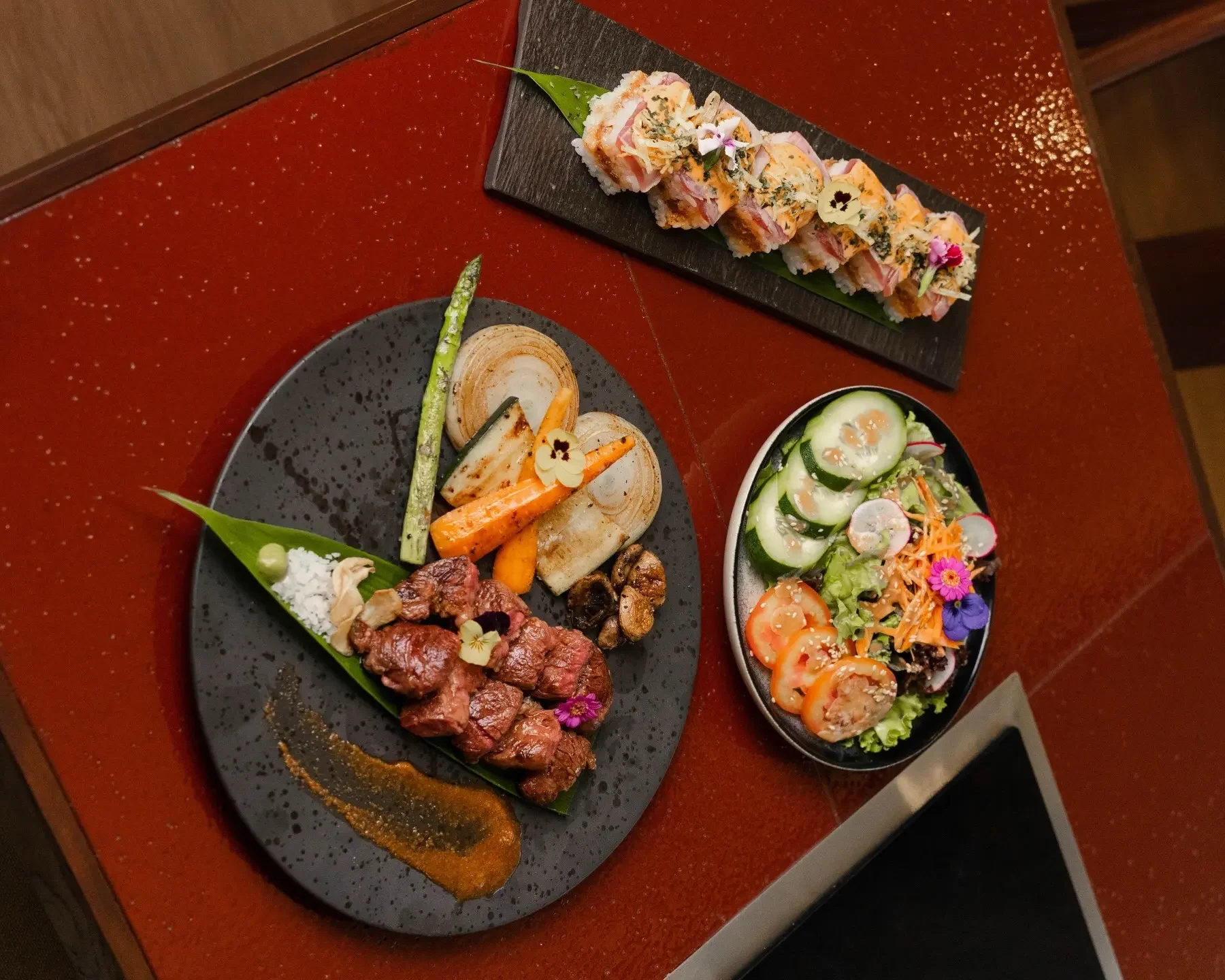
Fine dining is measured in moments, not minutes. Courses arrive in a deliberate order, and nobody hurries you from one to the next. That pace gives conversation room to breathe, and for many guests, it is the part of the evening they remember longest.
Teppanyaki as Live Performance

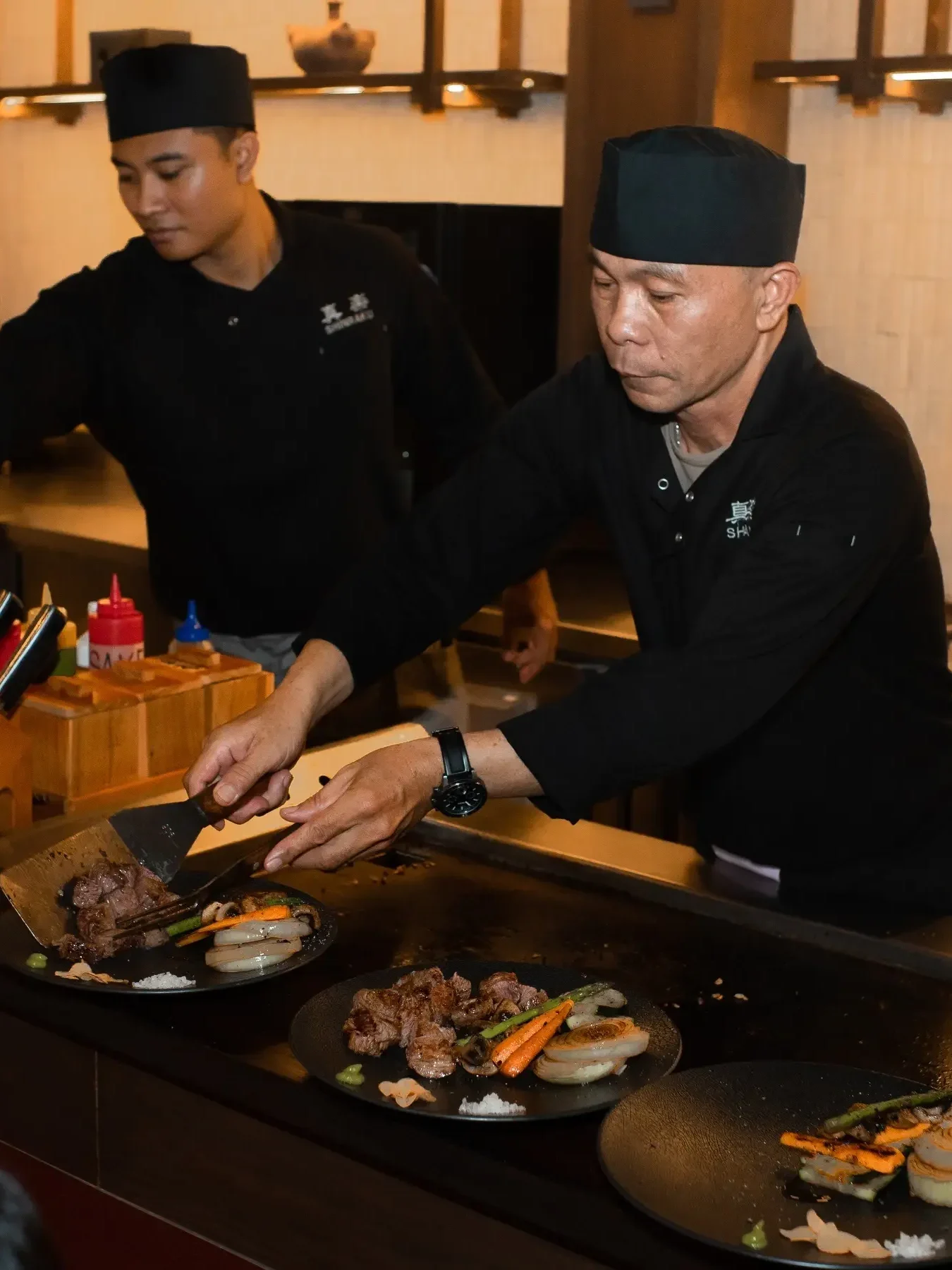
When it comes to Japanese fine dining Ubud, teppanyaki is the most theatrical format of all. The chef stands at an iron griddle in front of you, and every step of the meal happens in plain view. That transparency is part of the appeal, because it turns cooking into conversation. It also explains why the counter is often called the best seat in the room.
A teppanyaki evening generally follows a gentle rhythm:
- Warm-up: small starters arrive while the griddle heats and the chef greets the counter.
- Vegetables and seafood: lighter flavors cook first, so the palate stays open for what follows.
- The main cut: usually beef, cooked to your preferred doneness and served the moment it is ready.
- The finish: rice or noodles and a sweet ending round out the meal without rushing it.
Because every step happens within arm’s reach, guests see the craft instead of imagining it. That is the difference between being served a meal and taking part in one.
Ingredients That Carry the Experience
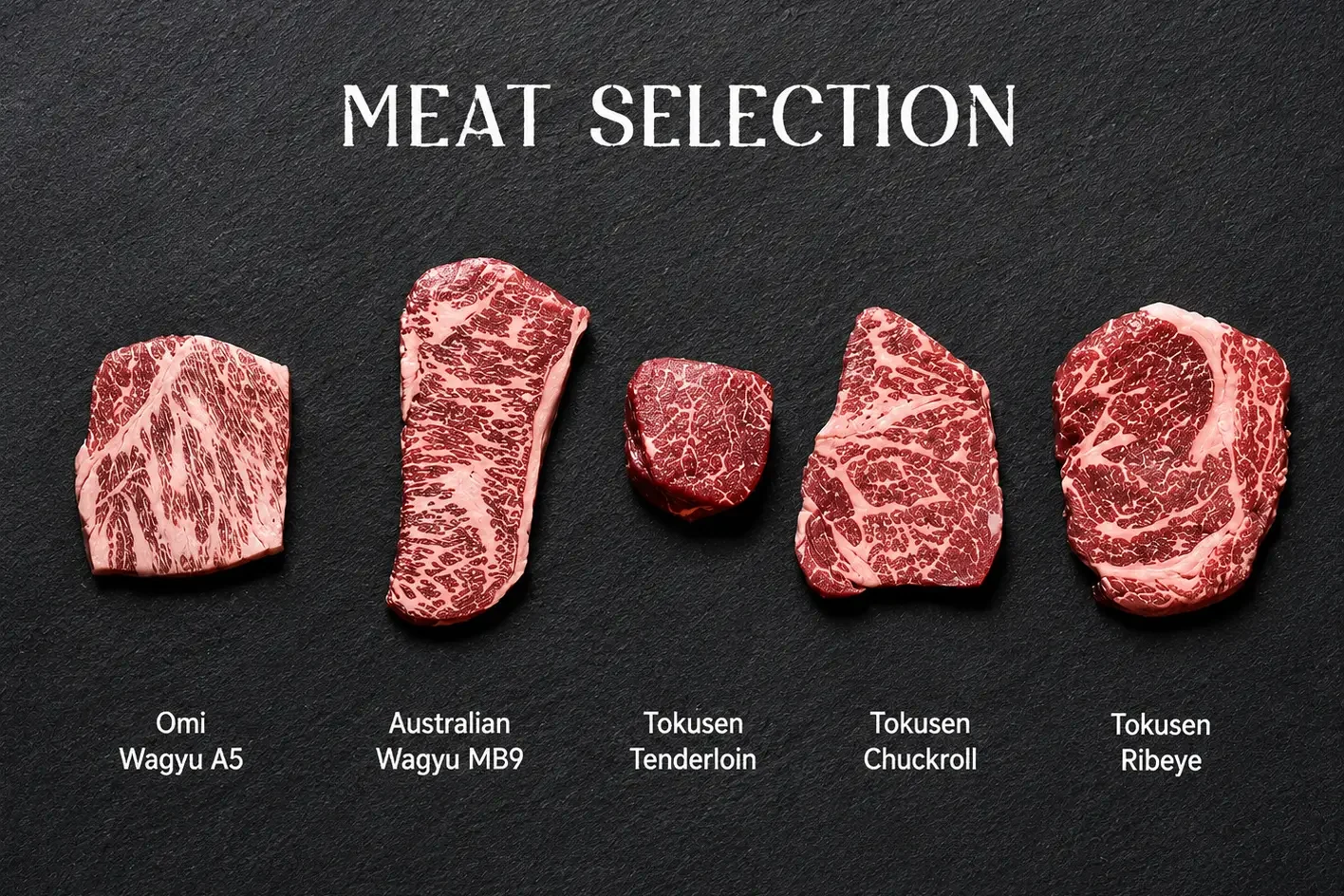
In Japanese fine dining Ubud, ingredients do most of the talking. Shinraku brings in Omi Wagyu A5 directly from Japan and sources organic vegetables from the highlands of Baturiti. The pairing reflects the idea behind the whole kitchen: start with something worth tasting, then let it speak. For a closer look at the cuts and grades behind the teppan, our guide to premium meat selection at a fine dining restaurant goes into the details.
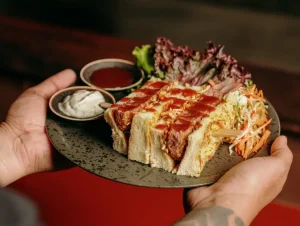
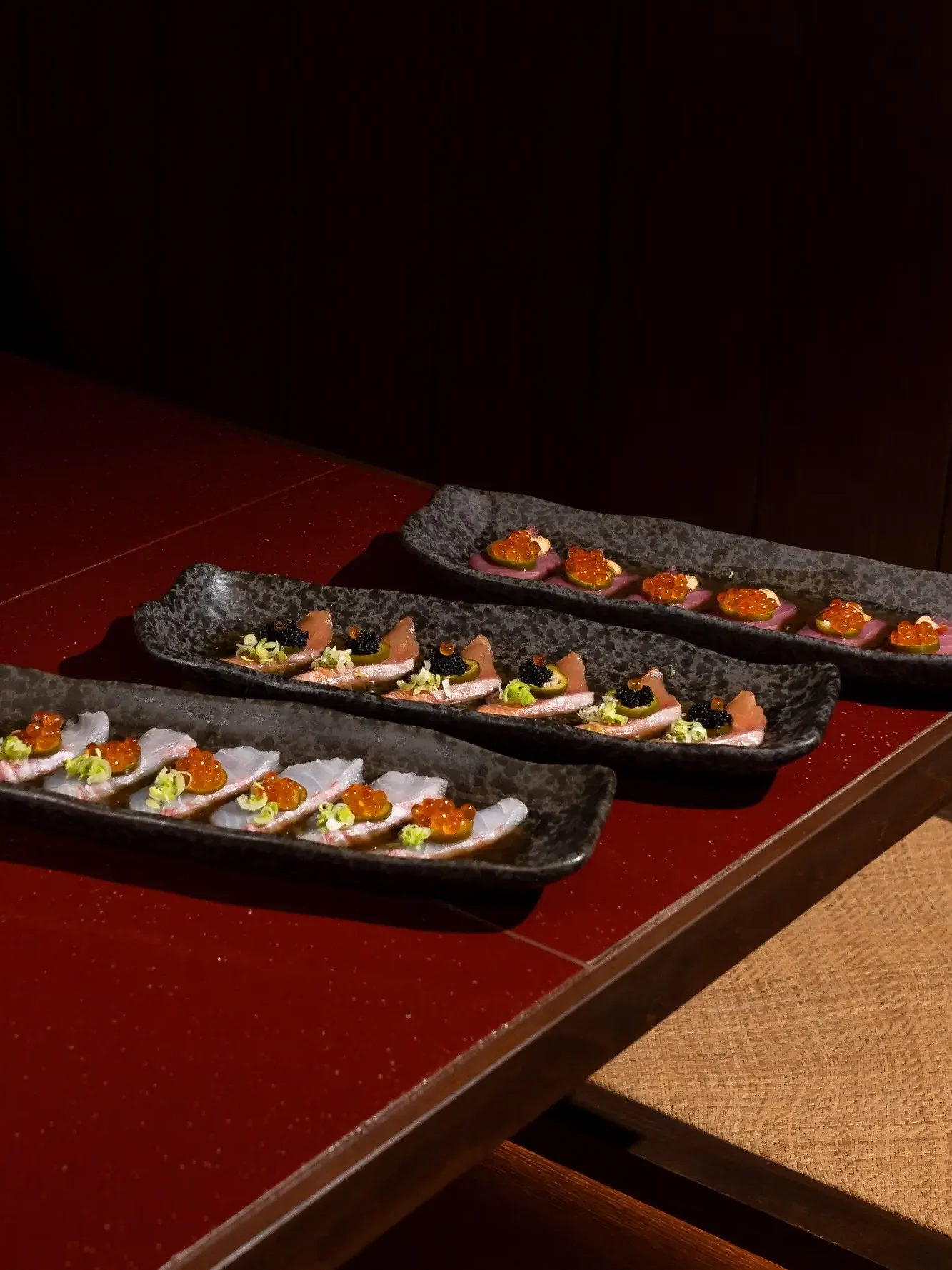
The same standard reaches the sushi counter, down to small pieces such as gunkan sushi Ubud, where the topping sits exposed and freshness has nowhere to hide.
How Japanese Fine Dining Ubud Differs From Everyday Restaurants
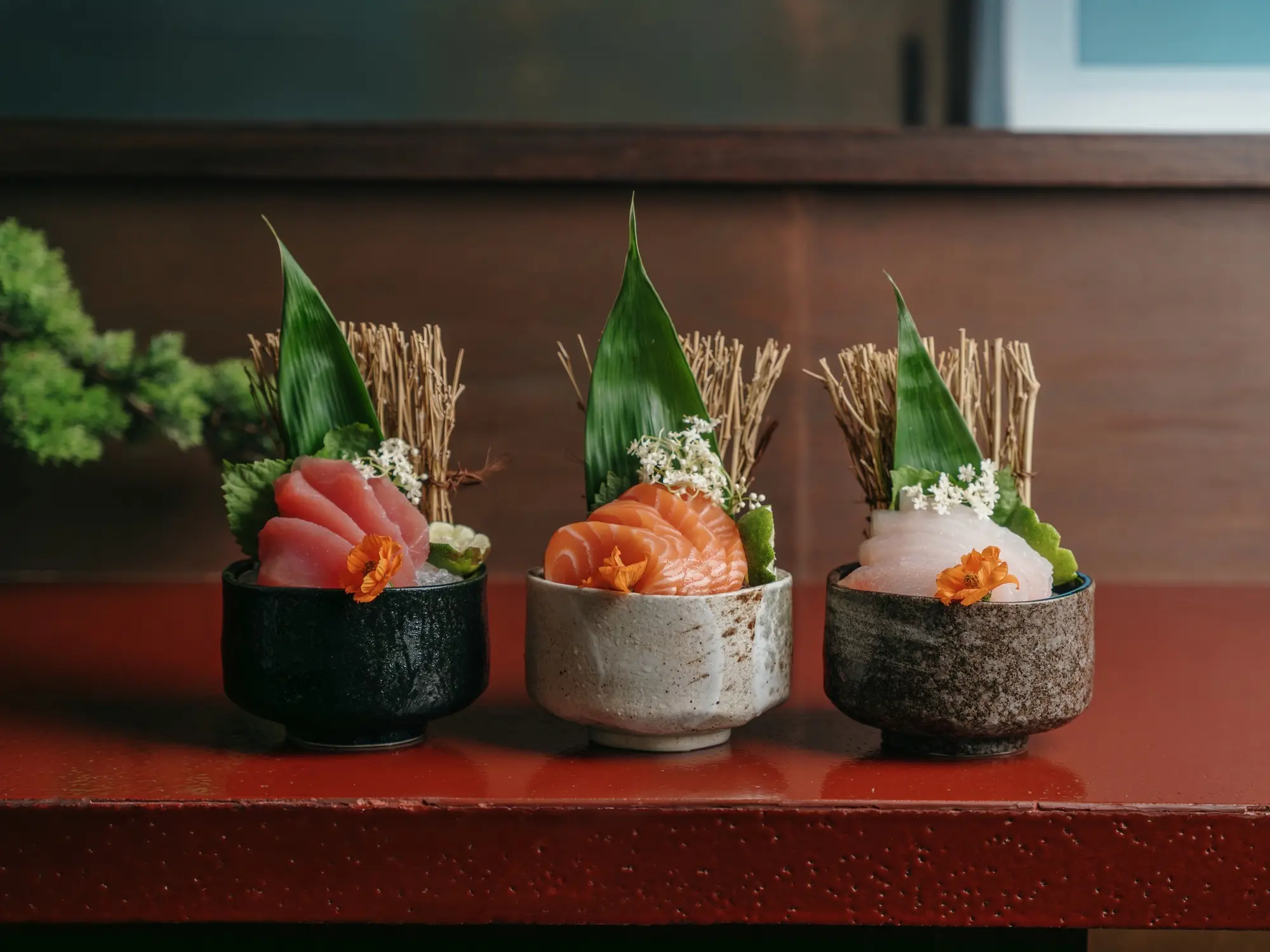
Japanese fine dining in Ubud is easiest to recognize by how the evening is run, not by the price on the menu. Casual Japanese restaurants serve good food quickly. A fine dining room, by contrast, treats the whole evening as part of the dish. If you are still comparing formats, our overview of Japanese dining styles in Ubud explains how each one fits a different mood.
A few differences tend to stand out:
- Service: attentive and quiet, rather than quick and self-directed.
- Setting: low light and softer sound, so conversation carries.
- Pace: courses are spaced out instead of arriving together.
- Seating: counters and small tables that keep groups close.
- Detail: small touches in presentation and timing that casual settings often skip.
None of this makes casual dining worse. It simply serves a different kind of night.
Planning an Evening Worth Remembering
Planning ahead makes Japanese fine dining Ubud far more enjoyable, especially at a counter with a limited number of seats. A few habits help the evening run smoothly:
- Reserve early: evening seating fills first, and a counter seat keeps your group together.
- Arrive on time: counter seatings often begin together, so a punctual table means nobody misses the opening.
- Mention dietary needs in advance: it lets the kitchen plan around them without interrupting the flow.
- Dress smart casual: comfortable enough to relax, polished enough to suit the room.
- Leave the night open: an unhurried meal is part of the point, so avoid tight schedules afterward.
Small preparations like these protect the mood of the evening, which is what you are really booking.
A Table Worth Saving an Evening For
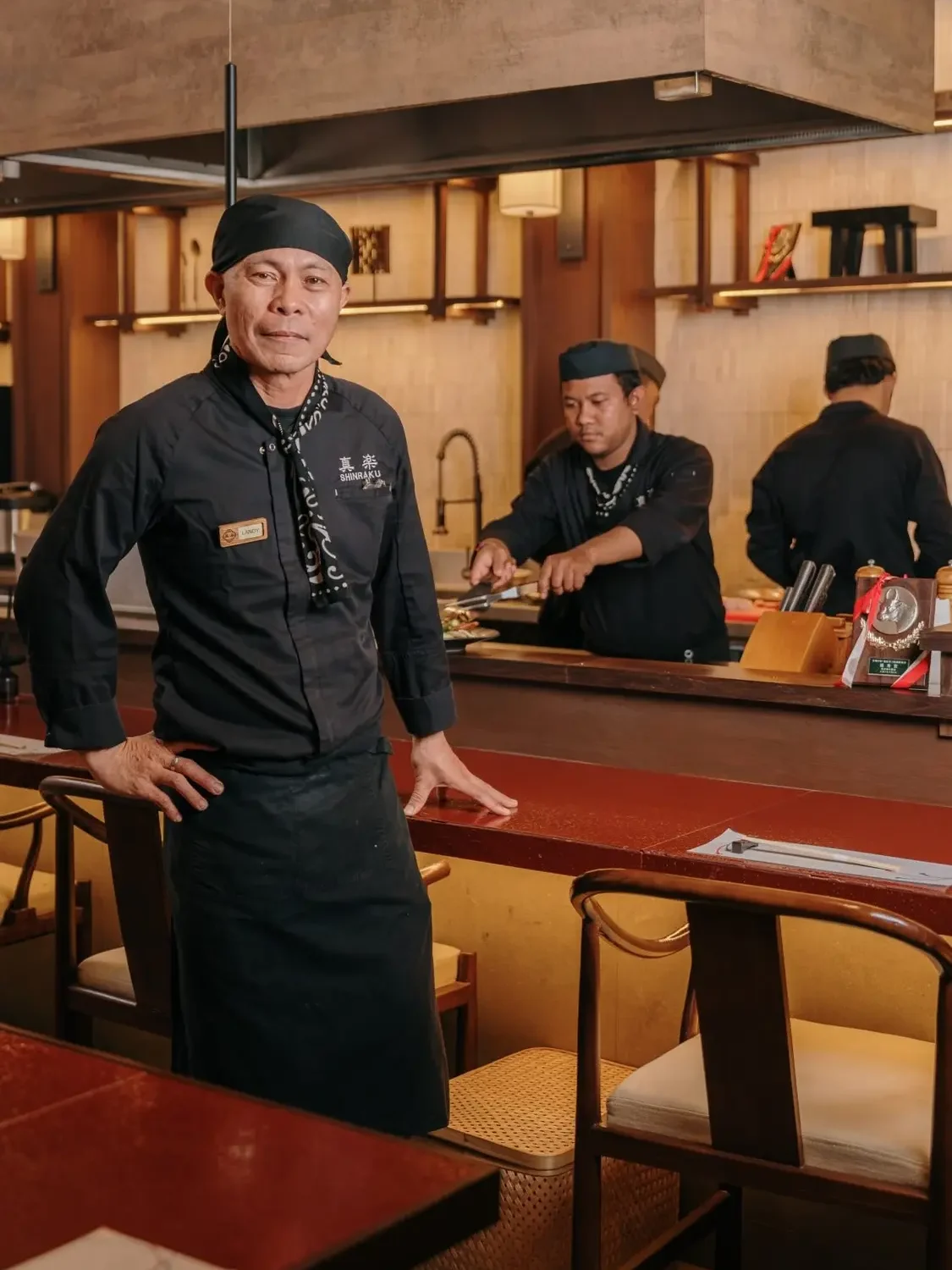
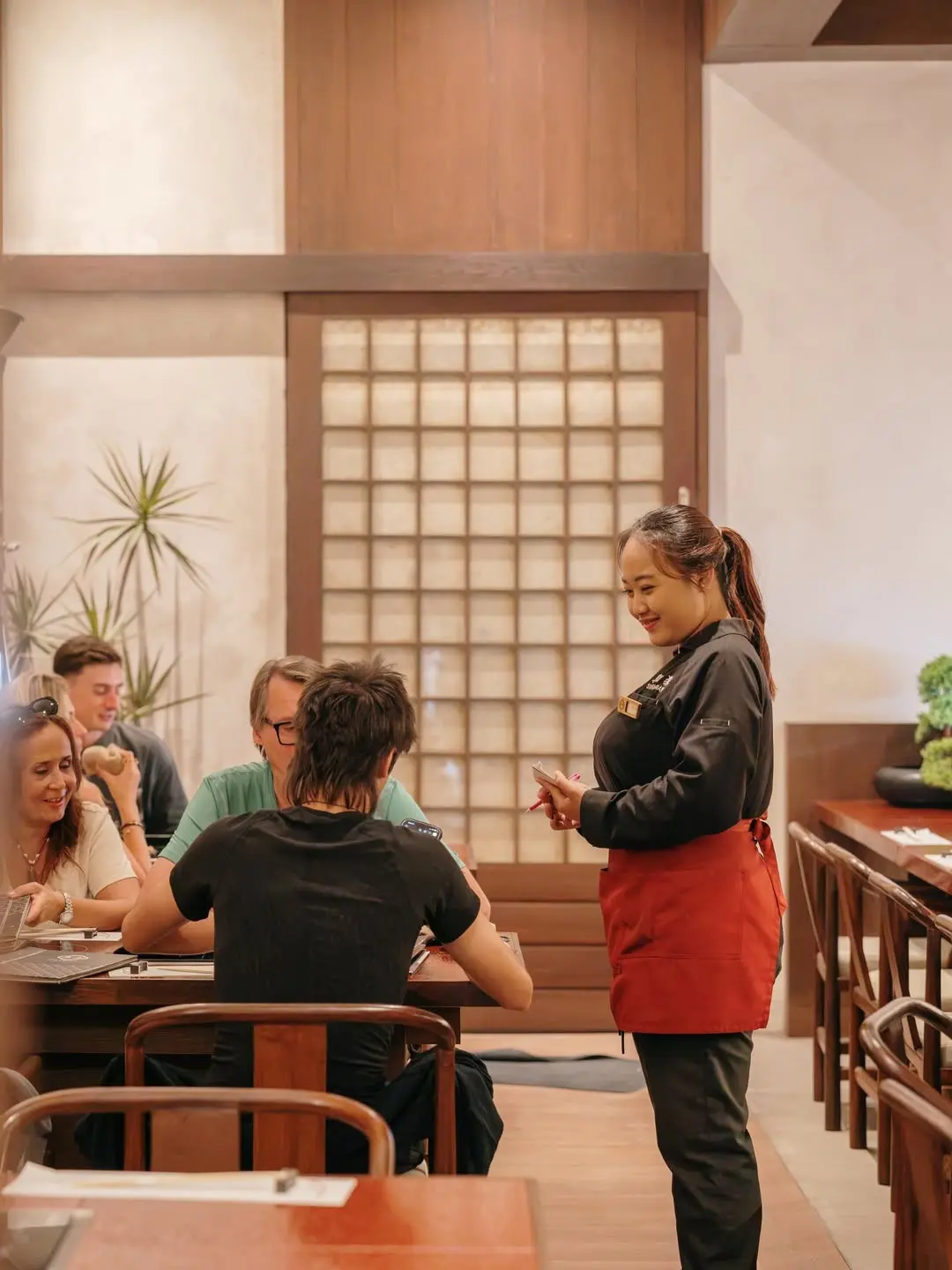
For anyone curious about Japanese fine dining Ubud, Shinraku is one address you should not skip. It is the place to taste, feel, and breathe the atmosphere of authentic Japan, in a room that stays cozy, intimate, and quietly romantic. That makes it a natural fit for a dinner with family, a night out as a couple, or a slow evening with your closest friends.
Behind the counter is Chef Landy, whose more than 30 years of international experience include Benihana in New York and Jakarta, Gasho of Japan, and Anantara Uluwatu. He blends authentic Japanese technique with the showmanship teppanyaki is known for, so every course feels like part of a performance rather than a delivery.
When you are ready to plan your evening, start here:
- Visit our beloved restaurant at Jl. Bisma No.16, Ubud, Gianyar, Bali.
- Follow @shinrakuubud on Instagram for a look at the teppan before you arrive.
- Save your seat by reservation, so the counter is set for your group.
Some dinners are remembered for what was on the plate, others are remembered for how the evening felt. The warmth of the room, the sound of the grill, and the person sitting across from you. That is the promise of intimate teppanyaki dining in Ubud, done well.