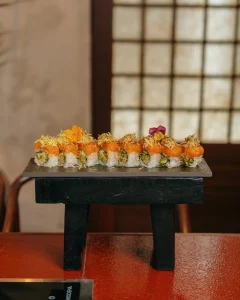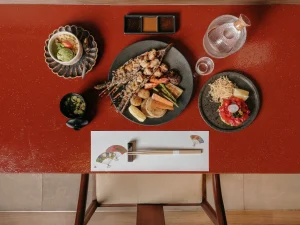

For anyone searching for handcrafted nigiri Ubud has to offer, Shinraku is a name worth knowing. Nigiri looks simple on the plate, just a small bed of seasoned rice under a slice of fish, but every detail in between shapes the way it tastes. This article walks through what goes into each piece, from the rice to the final press.
Handcrafted Nigiri Ubud: Inside the Craft
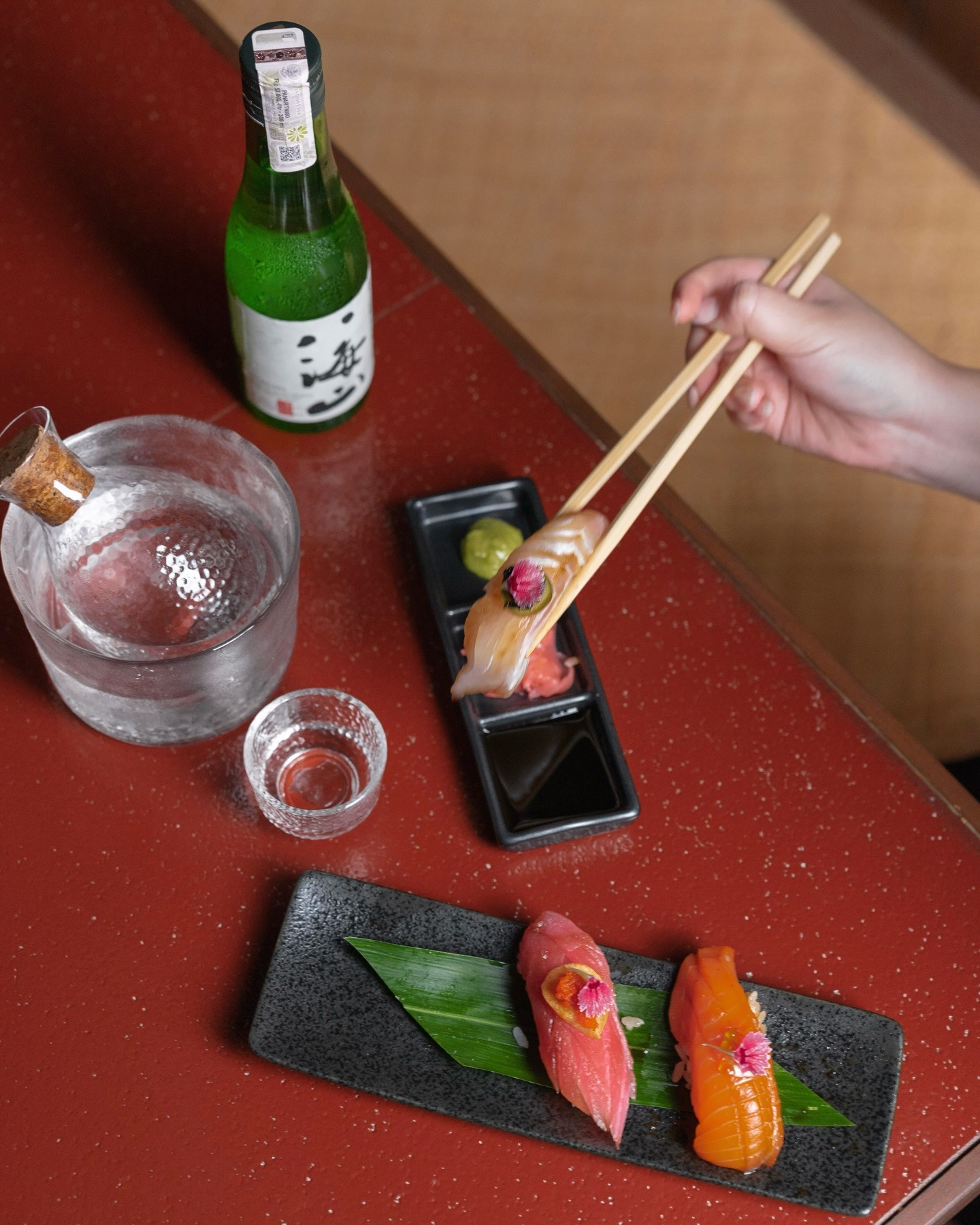
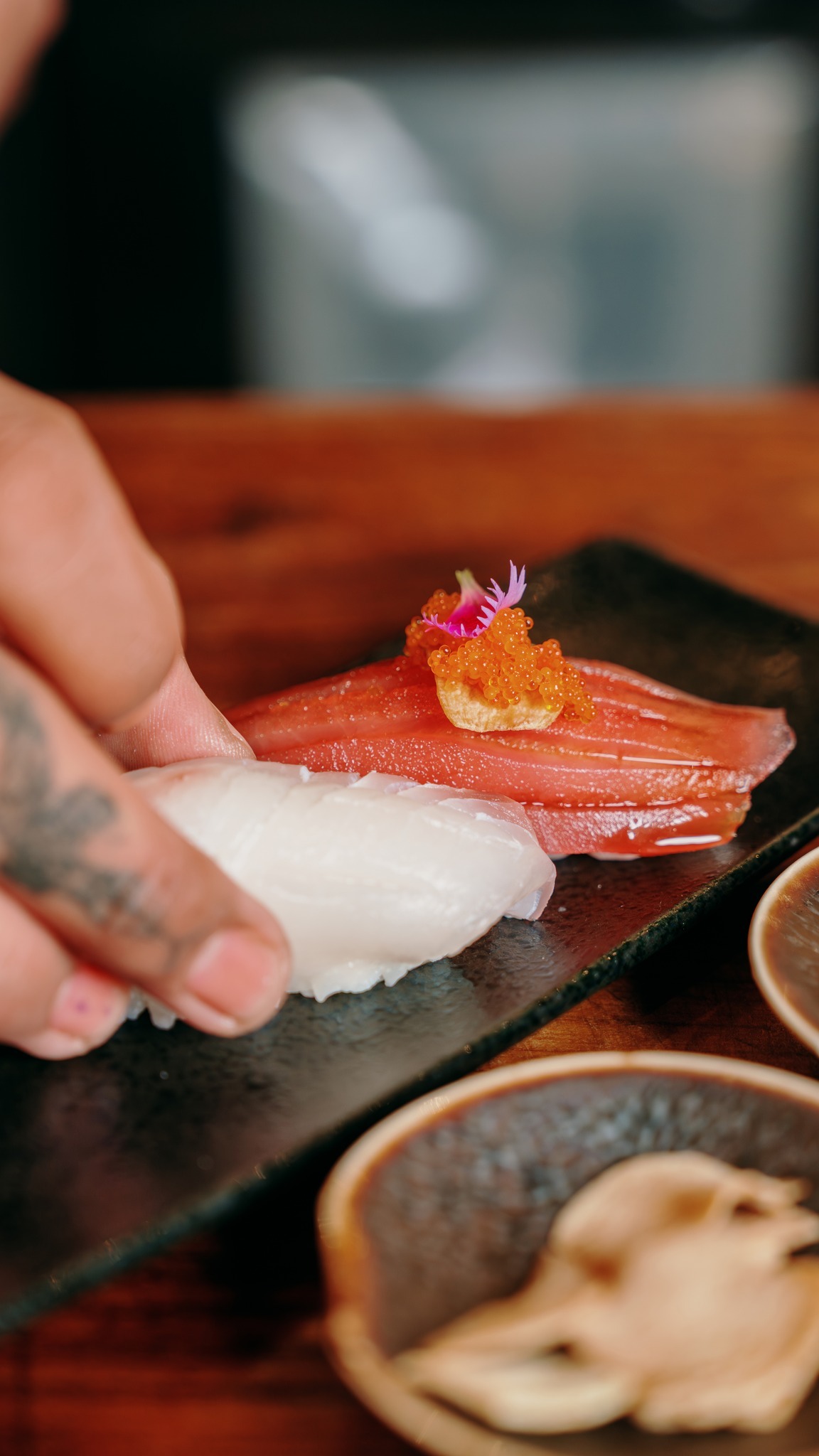
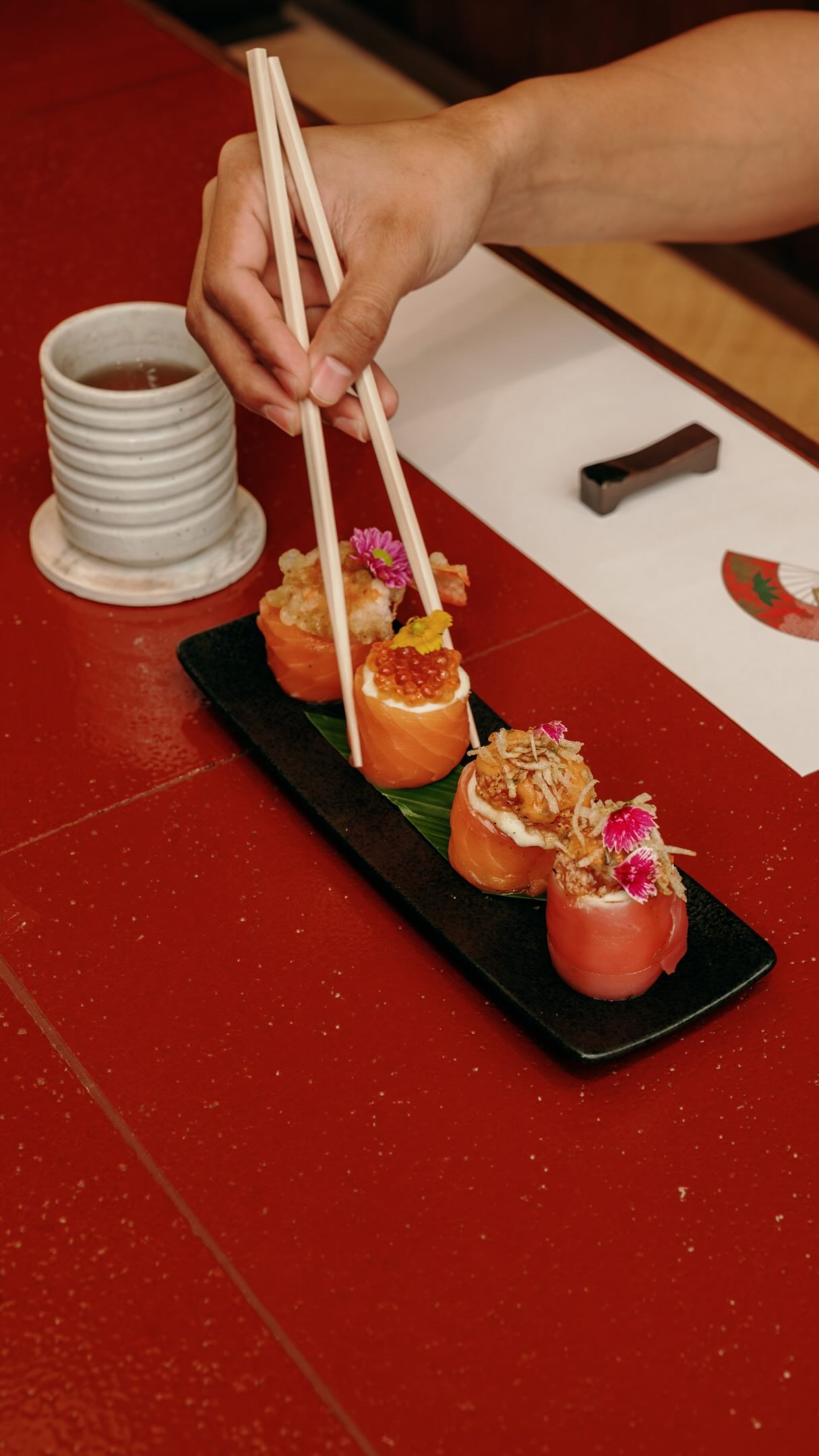
Nigiri is judged by balance. The rice, the fish, and the pressure of the chef’s hand all have to agree, so no single part overpowers the others. Here is how that balance is built, one stage at a time.
Rice Comes First
Sushi rice, called shari, is the foundation of every piece. It is cooked until tender but still distinct, then dressed with a light blend of vinegar, sugar, and salt and kept at a gentle, near-body warmth. Rice that is too cold turns firm and dull, while rice that is too wet falls apart in the hand, so timing matters as much as seasoning.
Cutting the Fish with Care
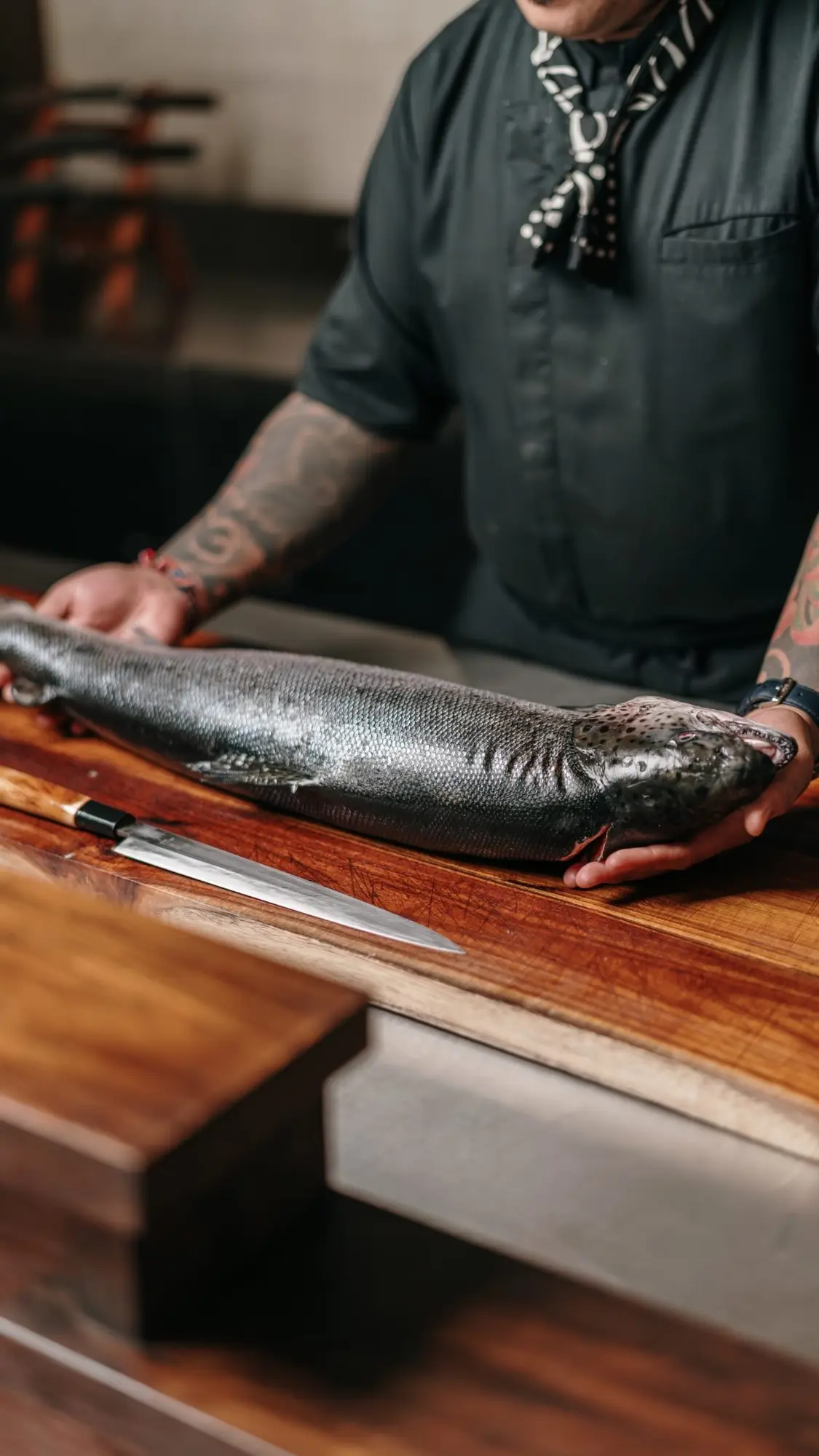
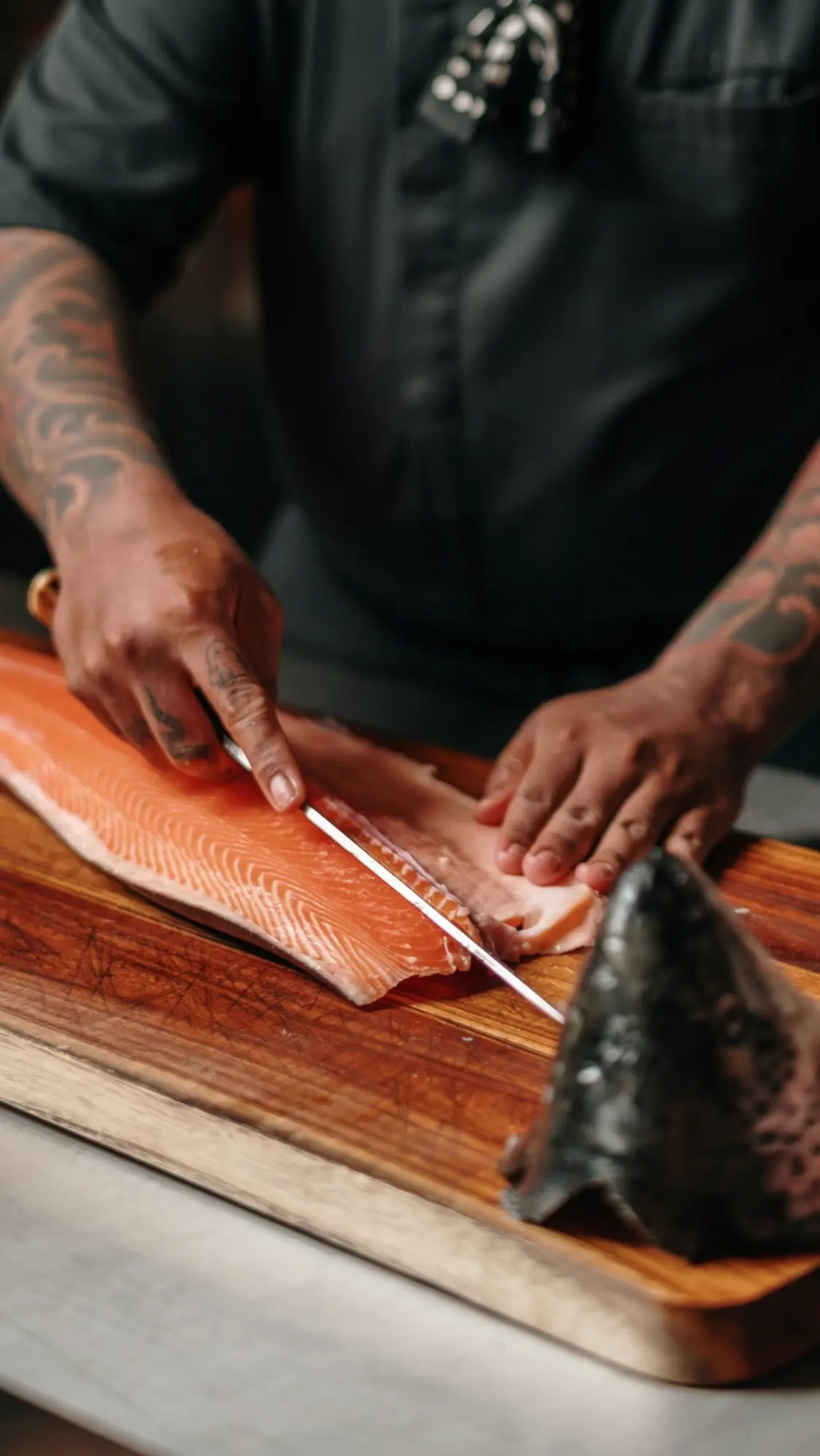
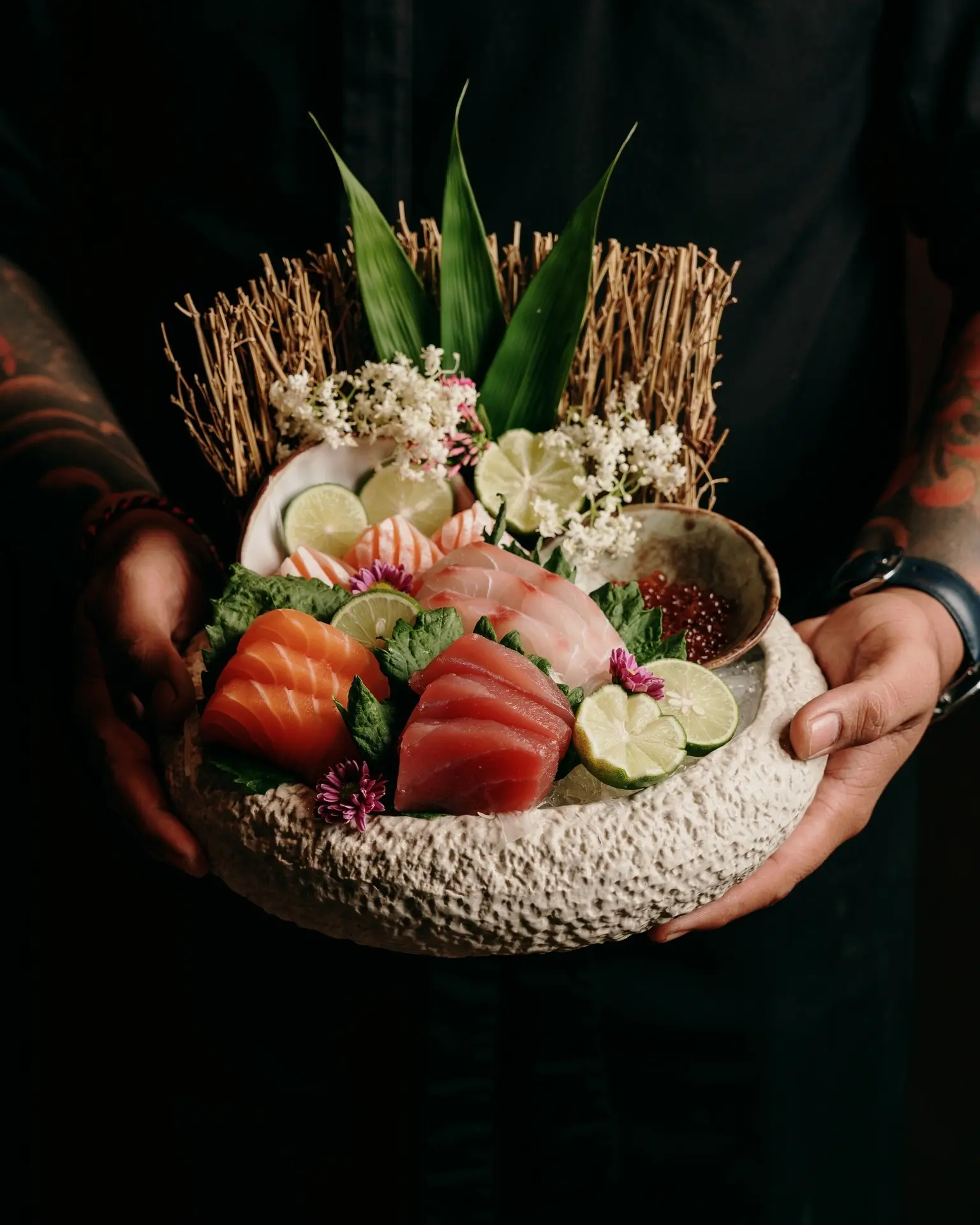
The fish, known as neta, is sliced at a measured angle and thickness so it feels silky rather than stringy. Some fish are best right after cutting, while others benefit from a short rest or a light touch of seasoning to bring out their natural sweetness. A sharp blade and a steady hand keep the surface clean, which also helps each slice drape neatly over the rice.
Shaping and Finishing
Once rice and fish meet, the chef forms each piece with a few quick, light presses. The goal is a compact mound that holds together on the way to your mouth, yet loosens gently once you bite in. A touch of wasabi between rice and fish completes the piece, and you can see this approach in dishes like the snapper nigiri on the Shinraku menu.
Signs of Well-Made Nigiri
Knowing what to look for makes any sushi meal more rewarding. A good way to judge handcrafted nigiri Ubud kitchens produce is to look for a few simple cues:
- Rice that holds its shape but separates easily on the tongue
- Fish slices that look glossy, evenly cut, and sit snugly on the rice
- Balanced proportions, where neither the rice nor the topping dominates
- Clean, fresh flavors with no heavy fishy smell
- Pieces served soon after shaping, so the textures stay at their best
These cues work for first-timers and regulars alike. To see what the kitchen offers beyond nigiri, from rolls to sashimi, you can explore shinraku teppanyaki and sushi ubud and compare each piece against this checklist.
How to Enjoy Each Piece
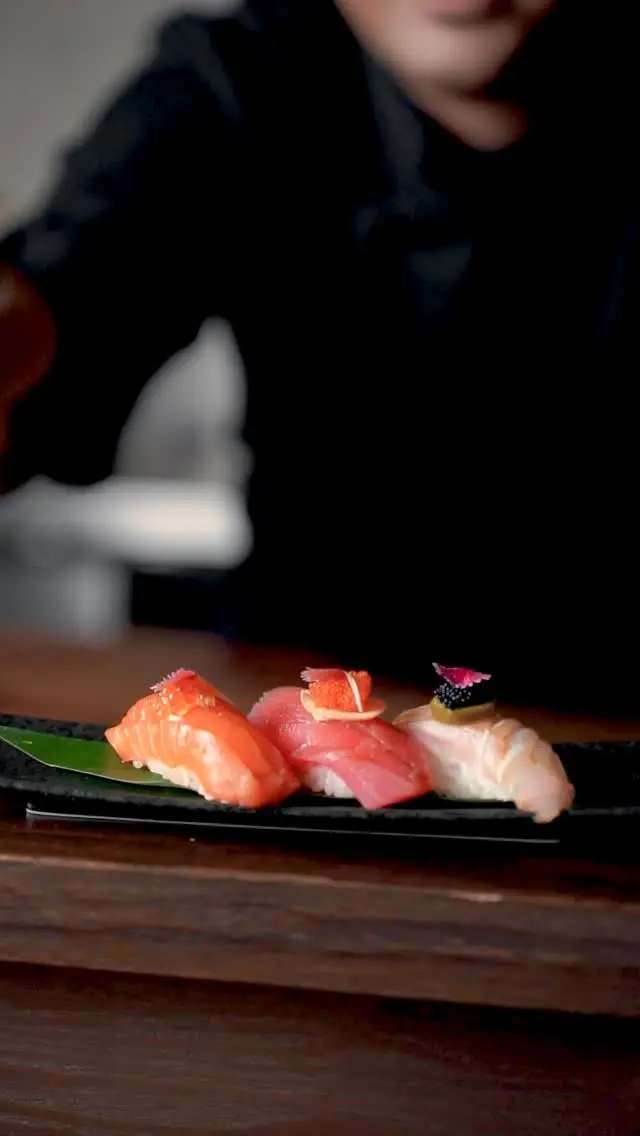
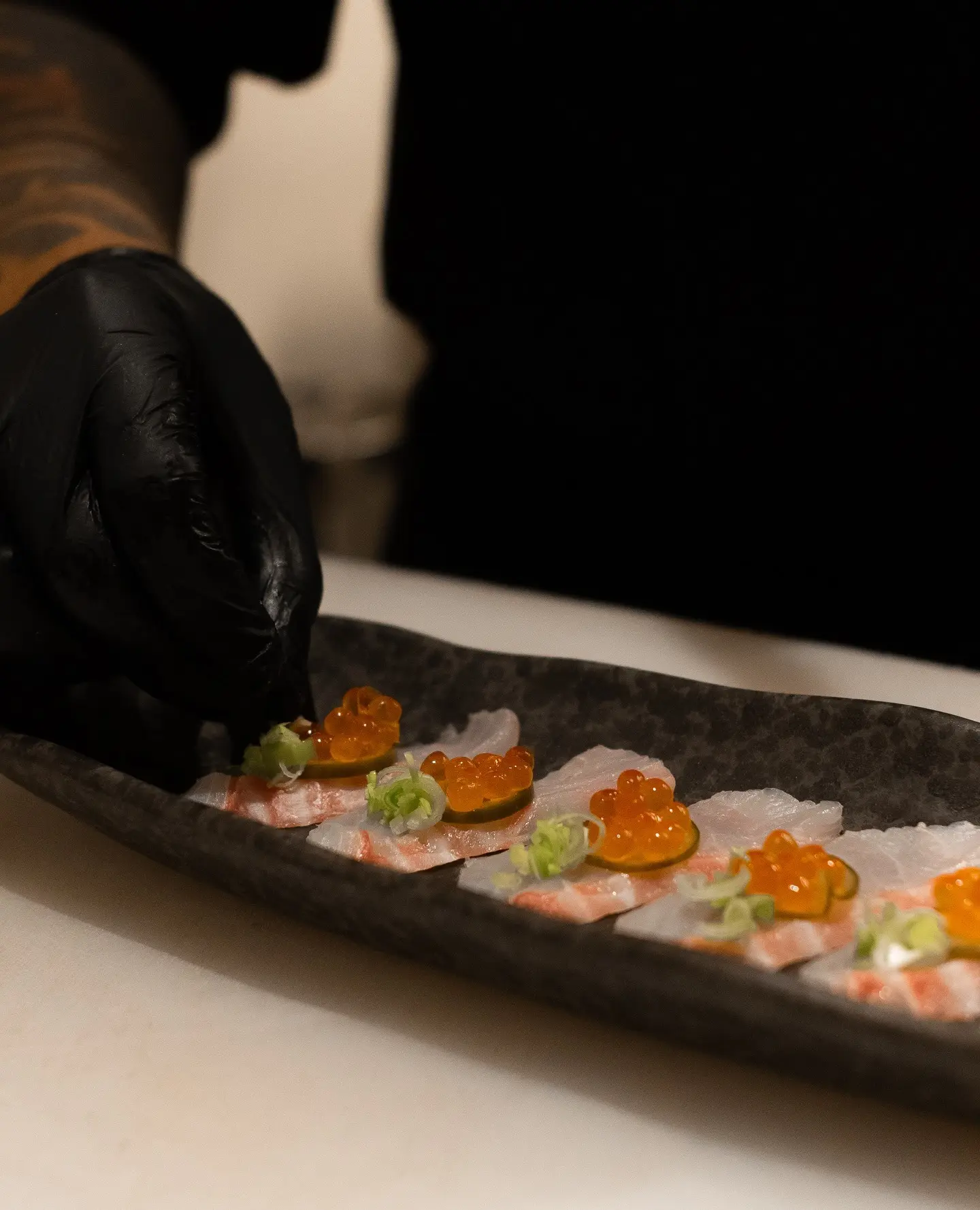
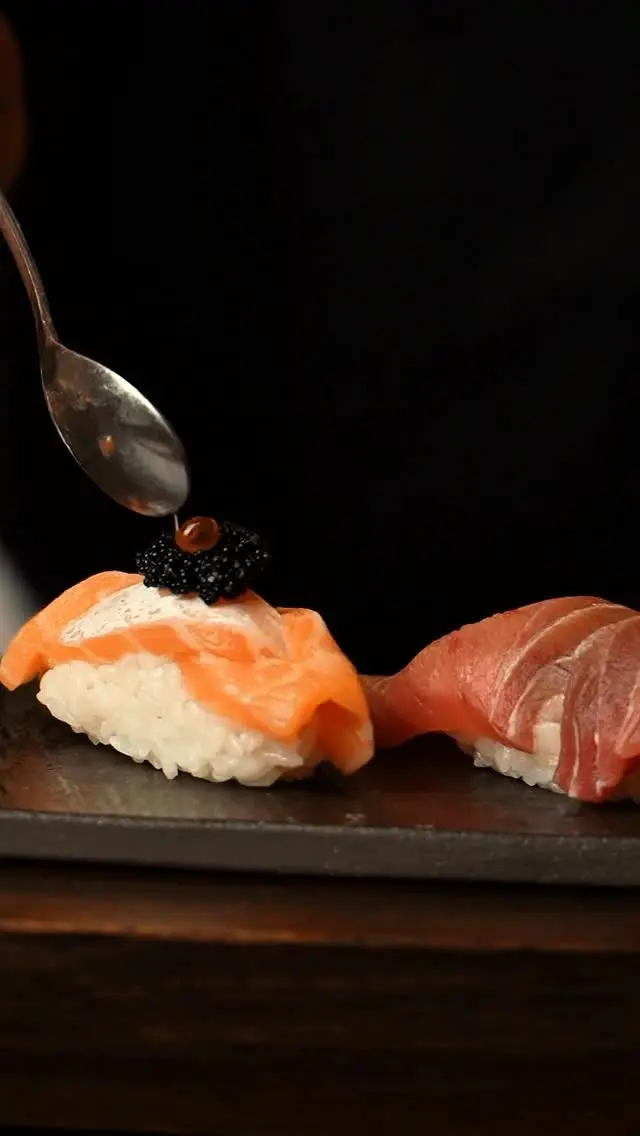
Nigiri is meant to be eaten in a single bite, and a few small habits help you taste it at its best. The order you eat in and the way you handle the seasonings both make a noticeable difference.
Light to Rich Order
Start with milder white fish such as snapper, then move toward richer, fattier choices. Beginning light keeps your palate sensitive to subtle sweetness, while finishing rich lets fuller flavors land without drowning out what comes next. A small sip of tea or water between pieces helps reset your taste buds.
Soy Sauce and Wasabi
Nigiri already comes seasoned by the chef, so a light touch is enough. Turn the piece on its side and dip the fish, not the rice, into the soy sauce so the rice stays intact. Add extra wasabi only if you want more heat, since too much will cover the delicate flavor of the fish.
Reserve Your Seat at Shinraku
If this has made you curious, the best way to appreciate handcrafted nigiri Ubud chefs prepare is to taste it for yourself. Shinraku welcomes guests at its Ubud location, and a quick message is the easiest way to ask about availability or plan your visit. Reach the team through any of the details below:
- WhatsApp: +62 811-3811-4685
- Alamat ShinrakuBali: Jl. Bisma No.16, Ubud, Gianyar, Bali
- Email: contact@shinrakubali.com
Whether you come for nigiri or the teppanyaki grill, dining at Shinraku is not just about enjoying a dish. It is an experience that brings together Japanese flavors, live cooking craft, and the warm atmosphere of Ubud in one memorable moment.