
Choosing the best beef cuts for teppanyaki can make a difference in how you experience Japanese grilling. From richly marbled Wagyu to flavorful ribeye and leaner sirloin, each cut offers its own balance of tenderness, texture, and flavor. Understanding these differences helps you make more informed choices when exploring premium Japanese dining at Shinraku in Ubud.
Understanding Teppanyaki Beef Selection
Teppanyaki brings ingredients and cooking technique together on a hot iron plate. While the chef’s preparation plays an important role, the quality and characteristics of the beef also influence the final dining experience.
When choosing beef for teppanyaki, consider these factors:
- Beef quality: Look for beef with characteristics that suit your preferred balance of tenderness, flavor, and richness.
- Marbling: Intramuscular fat contributes to flavor, juiciness, and tenderness. More marbling can create a richer experience, although it is not the only factor that determines quality.
- Freshness and handling: Proper storage, preparation, and handling help preserve the beef’s texture and flavor.
- Cut characteristics: Different cuts have different levels of fat, muscle structure, and tenderness, making them suitable for different preferences.
Wagyu, ribeye, and sirloin are examples of beef options that can be explored in a teppanyaki setting. However, Wagyu is a category of Japanese cattle known for its marbling and quality characteristics, while ribeye and sirloin refer to specific cuts of beef. Understanding this distinction makes it easier to compare your options.
Best Beef Cuts for Teppanyaki: Understanding Your Options
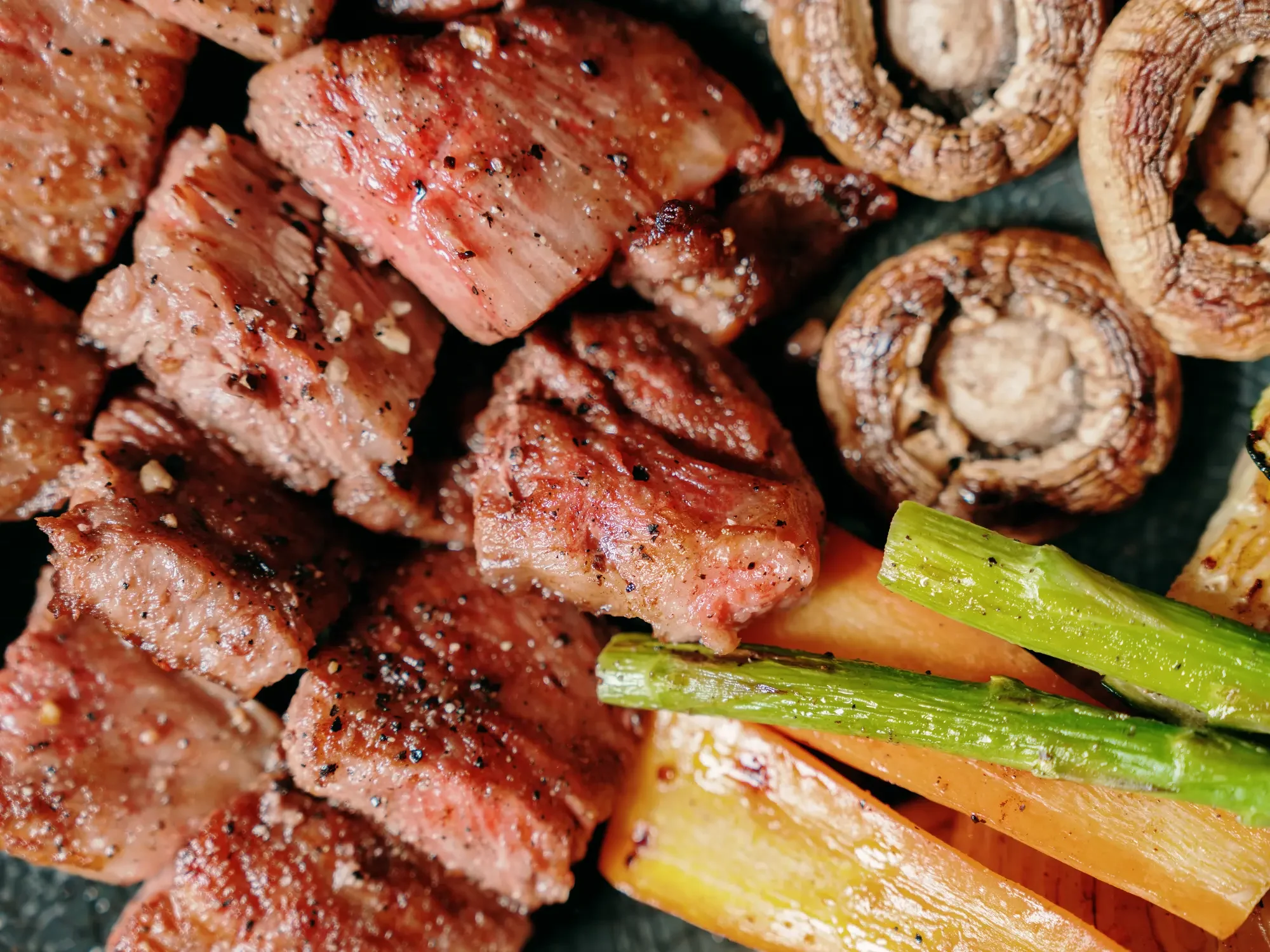
Different beef cuts bring different qualities to the teppanyaki experience. The right choice depends on whether you prefer rich marbling, a tender texture, or a more pronounced beef flavor.
Wagyu Beef for Teppanyaki
Wagyu is widely recognized for its distinctive marbling and rich flavor. Its intramuscular fat can contribute to a buttery texture and a particularly rich eating experience.
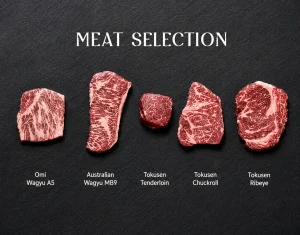
Japanese Wagyu may be identified by its breed, origin, and quality grade. For example, Omi Wagyu A5 refers to beef associated with the Omi region and a Japanese beef grading designation. A5 is not the name of a cut; it describes a quality grade within Japan’s beef grading system.
The qualities associated with japanese wagyu in Shinraku Ubud can be seen in the balance of marbling, tenderness, and flavor offered by Omi Wagyu A5. When prepared with careful heat control, the beef develops a rich yet balanced taste without requiring heavy seasoning.
Ribeye Teppanyaki
Ribeye is known for its rich flavor and marbling. Depending on the specific cut and preparation, its fat content can contribute to a juicy, flavorful bite.
For teppanyaki, ribeye may appeal to diners who enjoy a richer beef experience. Its balance of meat and intramuscular fat makes it a useful example of how cut characteristics influence the way beef is enjoyed.
Sirloin Teppanyaki
Sirloin generally offers a more balanced relationship between beef flavor and fat than heavily marbled cuts, although the exact characteristics vary by grade and preparation.
It can be a suitable option for diners who prefer a more pronounced beef texture without the same level of richness associated with some highly marbled Wagyu cuts.
The choice between ribeye, sirloin, and Wagyu ultimately depends on your preferred flavor, texture, and richness.
How Beef Quality, Marbling, and Texture Influence Your Choice
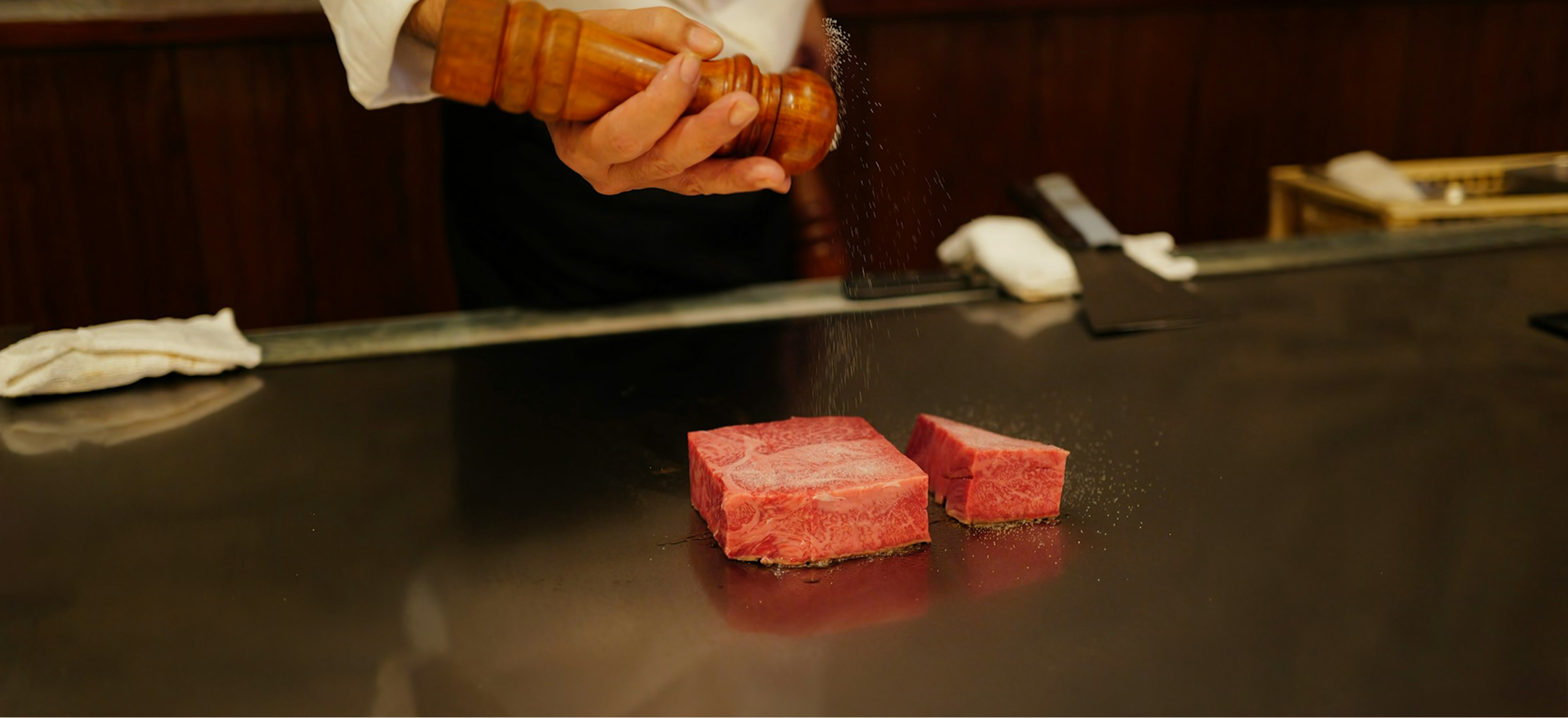
Beef quality is not determined by marbling alone. While intramuscular fat is an important characteristic, the cut, breed, grading system, and handling of the beef also contribute to its eating qualities.
Understanding Marbling
Marbling refers to the small streaks and flecks of fat distributed within the muscle. It can contribute to tenderness, juiciness, and flavor, especially when the beef is prepared appropriately.
Higher marbling often creates a richer eating experience, but a leaner cut may appeal to diners who prefer a firmer texture and more pronounced beef flavor.
Understanding Beef Grading
Beef grading systems vary by country. Japanese beef grading considers yield and meat quality, while other systems, such as the USDA grading system, use their own criteria.
For this reason, Prime, Choice, and Select should not be treated as universal grading categories for Japanese Wagyu. A5 is a Japanese grade and should be understood within the Japanese grading system rather than compared directly with those USDA categories.
When choosing beef, consider the grading information alongside the cut and your preferred dining experience.
Choosing Beef for Teppanyaki: What Should You Consider?
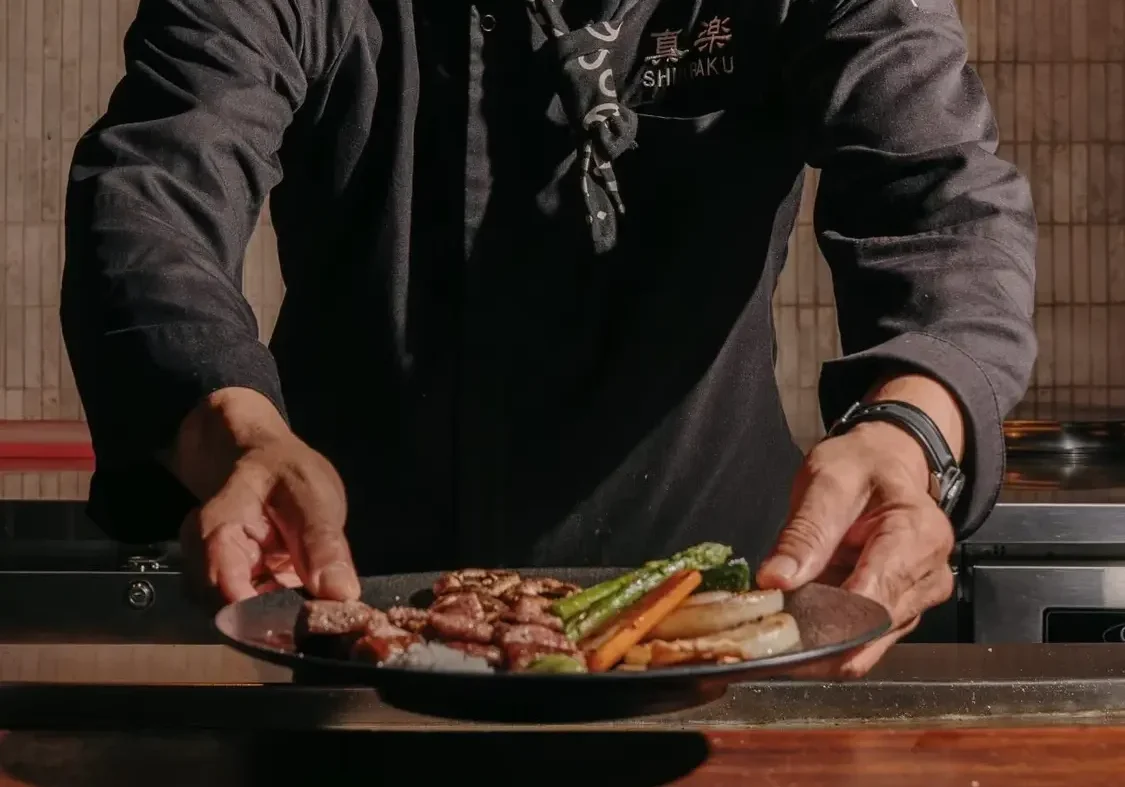
Once you understand the differences between cuts, selecting beef becomes more personal. Instead of looking for one universal best option, consider the characteristics that suit your preferences.
Richness and Marbling
If you enjoy a rich, buttery texture, a well-marbled cut may be appealing. Diners who prefer a more balanced beef flavor may enjoy a cut with less intramuscular fat.
Tenderness and Texture
Tenderness varies according to the cut, quality, preparation, and cooking. Ribeye, sirloin, and other cuts can offer different textures, so the right choice depends on what you enjoy.
Flavor Preferences
Some diners prefer the richness of highly marbled beef, while others enjoy the more pronounced flavor of a leaner cut. Exploring different options can help you understand your own preferences.
Preparation and Cooking
Thickness, heat, and cooking time influence the final result. In a teppanyaki restaurant, the chef’s preparation can help bring out the characteristics of the selected beef.
Teppanyaki Cooking Tips for a Better Dining Experience
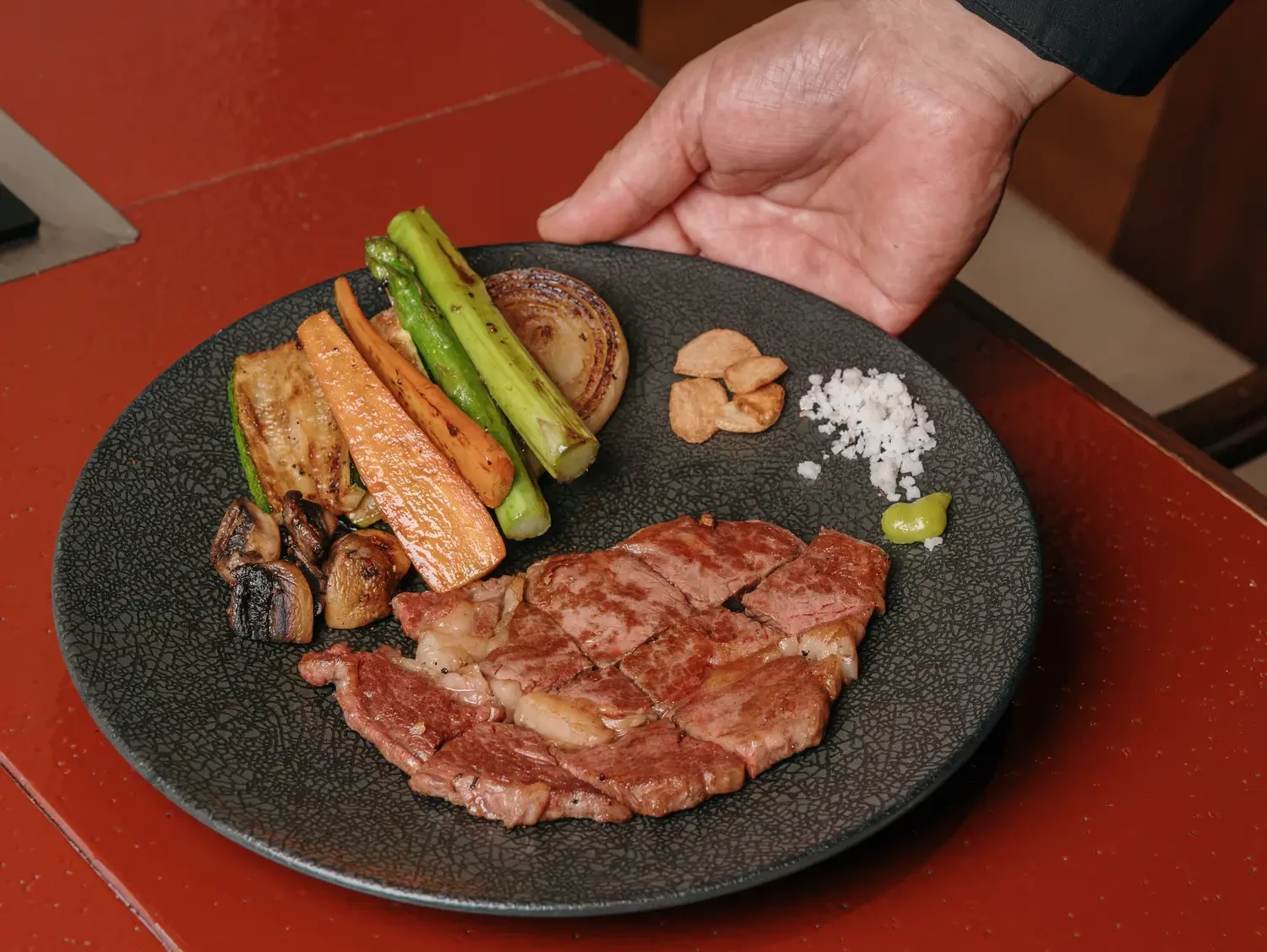
Understanding a few basic cooking principles can help you appreciate the beef you choose.
- Use appropriate heat: A properly heated cooking surface supports browning and helps develop flavor.
- Avoid unnecessary overcrowding: Sufficient space allows the beef to sear rather than release excess moisture and steam.
- Consider cooking preferences: Different cuts may suit different levels of doneness and preparation styles.
- Let the beef rest when appropriate: Resting can help retain juices after cooking, depending on the preparation.
For a broader look at the dining process, including how to make the most of a teppanyaki visit, explore our guide to Wagyu teppanyaki experience.
Exploring Premium Meat in Fine Dining Ubud
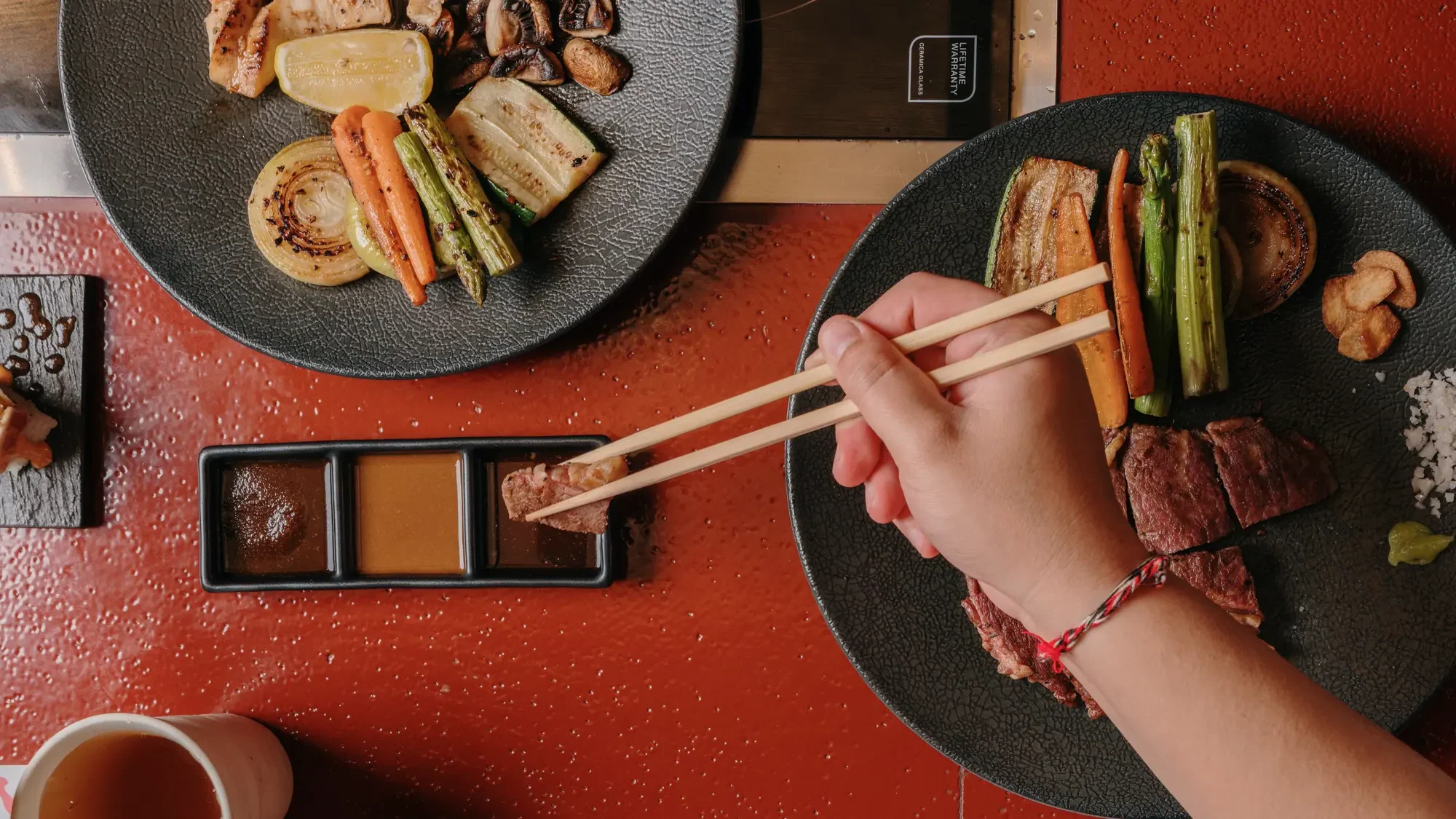
The quality of the ingredients plays an important role in shaping a fine dining experience. In Japanese cuisine, premium beef is appreciated not only for its tenderness and marbling but also for how well it responds to careful preparation.
At a fine dining restaurant Ubud, different meat offer distinct textures, flavors, and grilling characteristics. Some cuts are valued for their rich marbling, while others provide a firmer bite and deeper beef flavor. Understanding these differences allows diners to appreciate why each selection is prepared in a particular way.
The cooking process also influences the final result. Teppanyaki and Japanese-style grilling focus on controlling heat, timing, and seasoning so the natural qualities of the beef remain noticeable. Rather than relying on excessive seasoning, the preparation highlights the ingredient itself and creates a more balanced dining experience.
Choosing the Right Beef for Your Teppanyaki Experience at Shinraku
The best beef cuts for teppanyaki depend on your preferences for flavor, tenderness, richness, and texture. Wagyu offers a distinctive marbled experience, ribeye brings rich beef flavor, and sirloin provides a different balance of texture and richness. By understanding beef quality and choosing cuts that suit your preferences, you can make your dining experience more rewarding.
When planning your visit to Shinraku, you can locate the restaurant through Google Maps. Explore the Japanese teppanyaki experience with a better understanding of the ingredients behind the meal.